

Russian Logistics Prospects
The situation being what it is, the Russian economy has successfully surmounted the shock from the Western restrictions (sanctions). The financial resources, accumulated well in advance, have helped pour significant investment volumes into the national economy, and at the same time, higher public contract volumes have been key for accelerated rates of industrial production growth. Flexibility and speed, demonstrated during the pivot of exports from the West to the East, have enabled increased international trade volume.
The trade of the RF with the USA, the European Union and a number of other countries (and related logistics) is going through major changes. This would by all means lead to further negative implications for the whole global economy and Western economies, but some countries have already stumbled into a crisis ahead of others.
For example, the shock from the loss of cheap Russian energy resources has already led the EU to a deep multi-level crisis, causing a continuing slide in manufacturing activity and declining living standards.

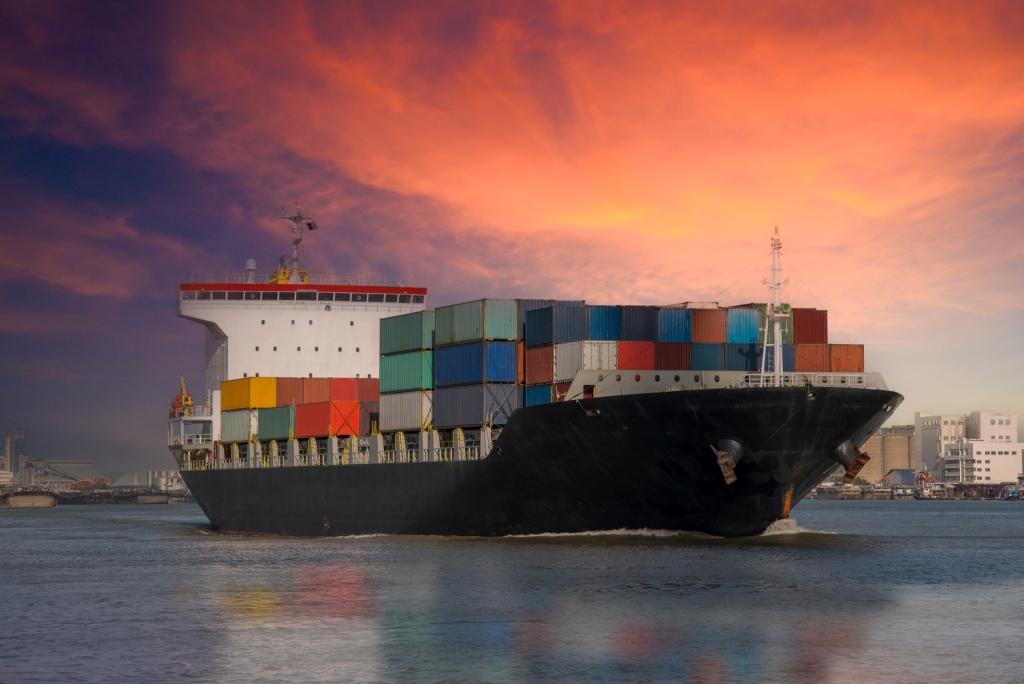
And this trend is being accelerated by China, reducing its trade volumes with the European Union and refocusing on the market of the RF and the CIS, having a significant potential. Temporary restrictions due to the threat of secondary restrictions (sanctions) in the PRC – RF supply chains are not a material obstacle and would have no effect on the overall positive trends for further ramping up of mutual trade volumes. The volume of the Chinese supply to the RF, which has grown since the last fall, is so great that railway border crossings and sea ports are having throughput issues with freight containers and struggling to move railway container cars for shipping new container cargo. This situation has resulted in significantly lower prices for shipment offers. And now the cost of delivery for a 40-foot container from the PRC to the RF has gone down on the average from $4000 USD to $600 USD (comparing February 2023 with February 2024 figures).
Let us point out, that the China – EU trade is directly affected by the political escalation between the PRC and the USA as well, reflecting upon the transit of goods through the Russian territory: the logistics of the route are becoming more complicated and costly. Higher costs are also driven by a plunge of the Suez Channel traffic due to the military escalation in the region. It seems to be impossible that this reduction could be compensated by an alternative route – the Southern Transport Corridor – over the next 5-10 years.
As for Russia, the Middle East and the Central Asia are sending good signals for further trade development. At the same time, if domestic markets of Central Asian countries are of limited capacity due to insufficient development dynamics of their industrial sectors, but demonstrate overall positive trends of economic growth and logistics demand, then Middle Eastern Countries show positive growth dynamics for mutual consumer goods trade with logistics that are still “difficult”.
We need to mention the so-called inter-block countries – India, Turkey, Kazakhstan, which due to some specific reasons, are capable of conducting effective policies for balancing between interests of various geopolitical unions.
Kazakhstan, while trying to chart an independent trajectory, is yet incapable of overcoming infrastructure issues of its transport corridors, and Russia is its lifeline for this issue. For the RF, this partner with its cautious approach to the issue of restrictions (sanctions) is of interest for its strong trade ties with foreign suppliers, whose products fall into the dual-use product category.
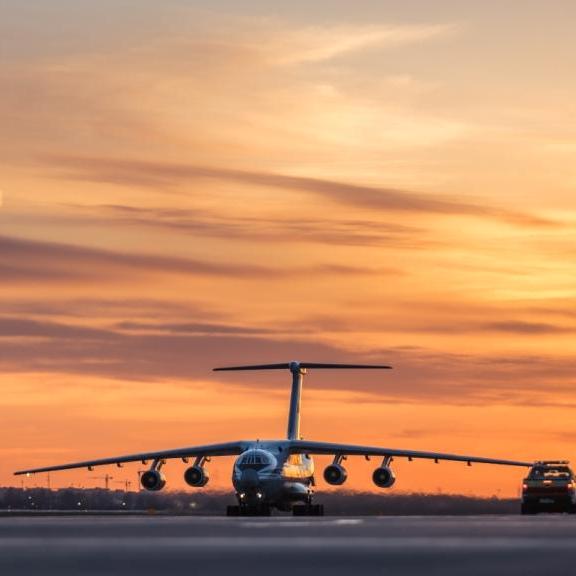
Turkey, despite the financial settlements crisis, which made the last year’s logistics harder, is continuing to increase its cargo turnover with the RF. So, for example, the statistics of the latest three years displayed a 17-fold (!) growth. The resumption of air cargo flights between Istanbul and Moscow this March was a clear growth marker.
India doubled its trade turnover with the RF over the last year, demonstrating obvious demand for equipment and electronics from Russia. Delivery routes through Georgia, Azerbaijan and Iran are experiencing certain issues, which will be resolved after launch of the planned Chennai – Vladivostok Eastern maritime corridor.
Further active development of relations with African countries is based on the clearly defined vector of development of maritime and overland transport corridors over the latest years. Ramping up cooperation will enable a significant trade turnover increase for Russia and African countries over the next few years.
Currently Russia’s development is held back by evident manpower shortages, primarily shortages of professionals and R&D specialists. However, availability of almost all required natural resources ensures high resistance to global shocks. Growing industry and acceleration of development of vast territories create potential for Russia’s economy growth, including the logistics services market.
Leonid Shurilinov,
Infranews Agency expert