


Russian International Logistics In 2024: Challenges And Prospects
Nevertheless, the Russian business has demonstrated high flexibility and ability to find new solutions. In response to the sanctions, Russian companies and forwarders found new routes and logistics chains: the volume of shipments to Asian countries, such as China, India, Turkey, has increased, there has been active growth in multimodal services, combining use of several modes of transport (road, railway, maritime), domestic transportation volumes have gone up and regional logistics centers have been developed under export restrictions. In 2024 new logistics companies, specializing in various transport modes and logistics services, appeared on the Russian market. Many of these companies focus on new routes and cargo types. The number of small companies, offering specialized logistics services, is also on the rise.
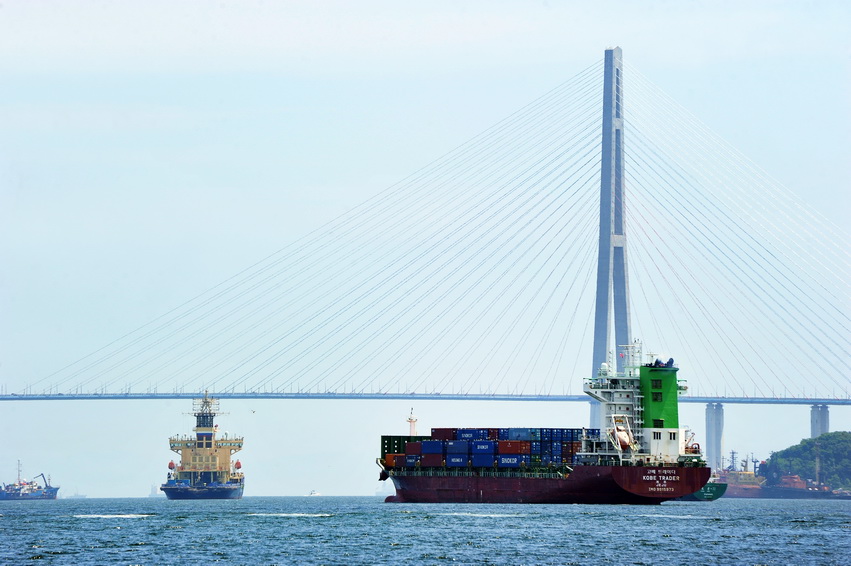
As for some or other transport modes, maritime transport remains one of the most significant transport types for international trade. However, the sanctions have restricted access of Russian ships to some seaports, leading to higher freight rates. This was the very reason for the Russian railway transport to become the new driver to bypass sanctions, spurring development of new railway routes to Asian countries and border crossing upgrades. Nevertheless, Russian railway logistics suffer from shortage of containers and railcars, leading to freight delivery delays.
This year trucking played an important role for Russia in short distance freight deliveries and in regions with well-developed road network. However, growing fuel and spare parts prices along with experienced truck driver shortages create additional issues.
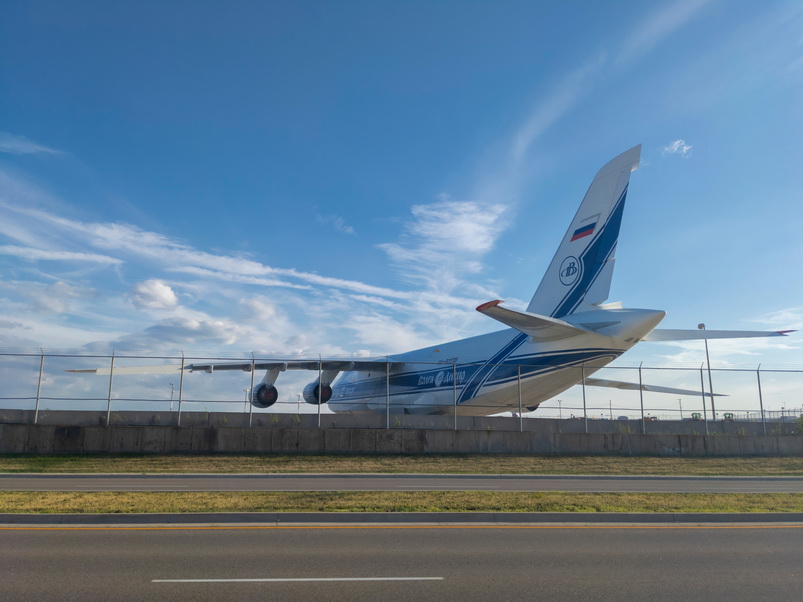
Airfreight logistics are traditionally used in Russia for deliveries of express and high-value freight. However, the sanctions have reduced opportunities to use airspace of some countries, leading to higher air freight prices. Despite the observed in 2024 volatility of freight rates, constantly changing depending on the geopolitical situation and demand for transport services, and also more complicated customs procedures and longer freight processing timelines, Russian logistics continue to demonstrate growing potential for further development. For example, Russia is actively developing its cooperation with countries in Asia, Africa and Latin America, charting new supply chain routes via the Trans-Siberian Railway, southern routes through the Caspian and the Black Seas, and also new air freight routes to Asia and Latin America. And the most graphic showcase for Russia’s new opportunities, naturally, is the Northern Sea Route. This Arctic route is becoming more prominent on the back of global logistics changes and taking shape as a major alternative to the traditional maritime routes, such as Suez and Panama canals, offering a shorter and safer route between Europe and Asia. It is highly likely that development will require significant investment, which could be raised from foreign sources. Reduced transportation costs and delivery times will make Russian goods more competitive on the global market, and the route itself could become an important tool for strengthening Russia’s positions in the Arctic and on the global arena.
In 2024 Russia continued upgrading its transport infrastructure, building new highways, railways and seaports, actively implementing digital technologies, enabling streamlining of logistics processes and improving their transparency. To increase efficiency and better adapt to new Russian logistics conditions, blockchain, internet of things, artificial intelligence and big data are being implemented.
This year the important role of public and private partnership in development of Russian logistics has become especially obvious. Private companies bring in innovations, flexibility and efficiency, and the state provides long-term investment and sets up favorable conditions for doing business. Successful cases of public and private partnership include construction of new seaport terminals, development of railway infrastructure and establishment of logistics centers.
In our opinion, in the longer term development of Russia’s international logistics will depend on successful implementation of government programs for transport infrastructure development and implementation of innovative technologies, and also on efficient diversification of trade partners and accelerating development of local supply chains.
Leonid Shurilinov,
Infranews Agency, expert