

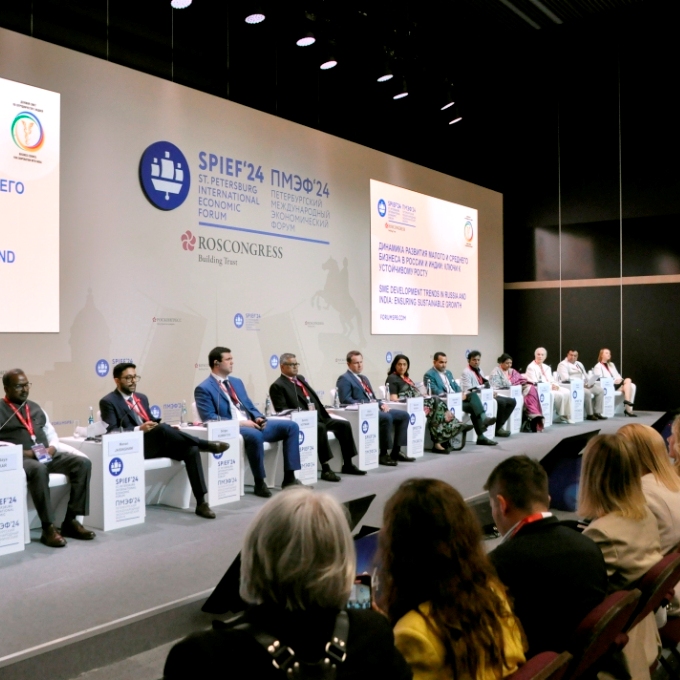
Russia-India: Small And Medium Business Barriers And Achievements
The panel discussion “Development Dynamics of Small and Medium Businesses in Russia and India: Keys to Sustainable Growth” featured business experts from India, doing business in Russia, and also entrepreneurs and representatives of various agencies from Moscow and other Russian regions. The event was co-organized by the Department of Foreign Economic and International Relations (DFEIR) of the City of Moscow and the Business Council for Cooperation with India.
Why does this subject, significant for all of the developing world, apply to Russian and Indian SMEs only? In the opinion of Sammy Kotwani, President of the Indian Business Alliance (IBA), it is India that plays an increasingly important role in the trade with the RF by many parameters, and the country’s delegation at the SPIEF-2024 turned to be a most numerous one.
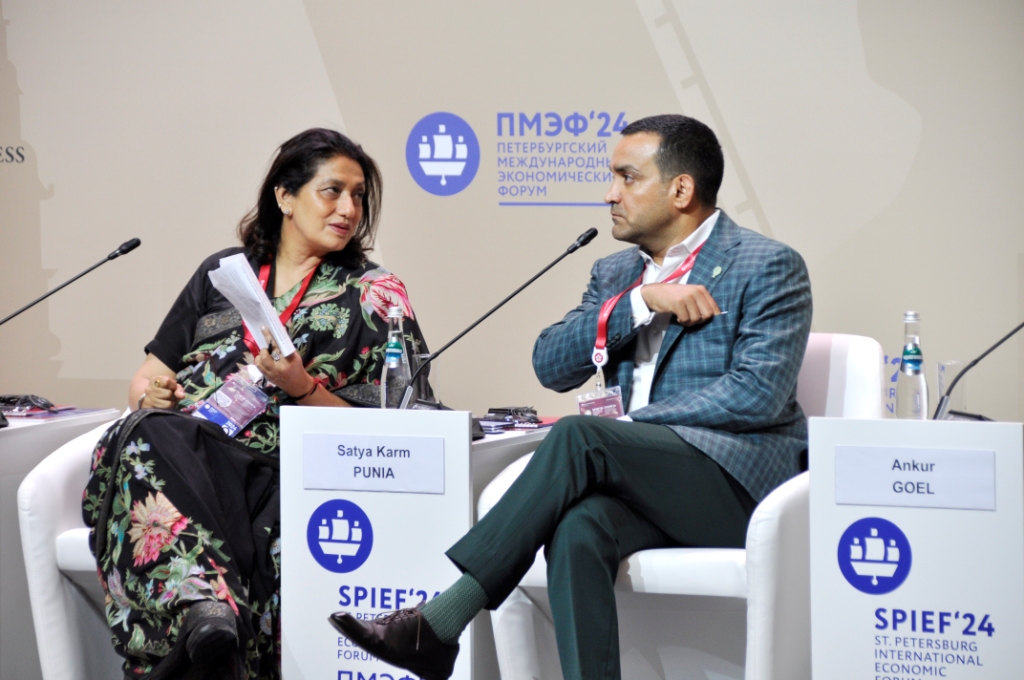
Right from the start, the discussion went on to pressing issues. Participants openly stated that development of SMEs both in Russia and in India today is facing a number of stumbling blocks, including information and financial restrictions;
difficulties with distribution and logistics of goods; judiciary system specifics in both countries, bureaucracy and rapid legislation changes; young people reluctant to join the real sector of the economy. There was only one conclusion – correction of errors and focus on intended goals are required.
Nevertheless, participants of the forum pointed out that the level of foreign trade between Moscow and New Delhi had already reached historic highs – almost $7 billion. By the start of 2024 the exports from India to Russia had grown by 20-25%. It is planned to increase the exports of Indian pharmaceutical and agricultural products, to set up direct links between the business communities of the two countries, where a significant role is played by small and medium enterprises. And what’s most important – SMEs of the two countries ensure promotion of innovations and sustainable economic growth.
The speech of Vladimir Platonov, President of the Moscow Chamber of Commerce and Trade (MCCT), drew close attention of the participants, Platonov spoke of the system for small and medium business support, developed in the capital of Russia, and this system contributed to “the city observing constant growth of SME numbers, generating about 25% of the municipal budget”.
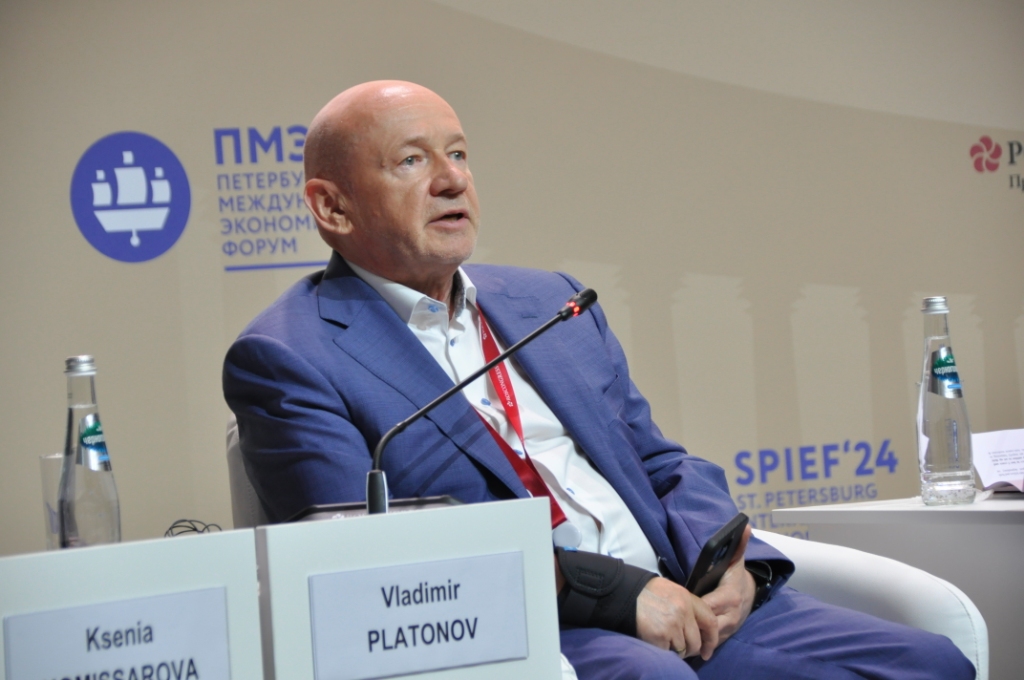
Platonov reminded that Moscow is still a leading global metropolitan city in terms of living comfort, digitalization, security and is prepared to share its practices and experience with foreign partners, including the BRICS and other international organizations.
“The Russian capital, - said the head of the Moscow Chamber, - has over 900 thousand businessmen and a million and a half of self-employed persons. They add up 25% to the budget revenues”.
According to Vladimir Platonov, at the end of this summer the MCCT plans to convene a conference of heads of chambers of commerce of large cities of the BRICS+ to exchange experience in support, including small and medium business support.
The head of the Moscow Chamber in his speech specifically focused on a unique educational project by the MCCT – “Start Your Business With Moscow”. The key institution in the project is the School of Business for Foreign Students, studying in Moscow universities. The Chamber is successfully implementing the project with support from the Public Relations and Youth Policy Committee of the City of Moscow under a grant of the Mayor of Moscow.
By the way, among students of the School there are students from India, which was rather relevant in terms of the topics of the session.
The floor was given to representatives of the business circles of India, who spoke of today’s new opportunities for development of the foreign trade partnership of the two countries.
Ravi Udaya Bhaskar, General Director of the Pharmaceuticals Export Promotion Council of India, spoke of the development of the pharmaceutical industry in India, about the role of SME and also on prospects of the Russian-Indian cooperation in this area.
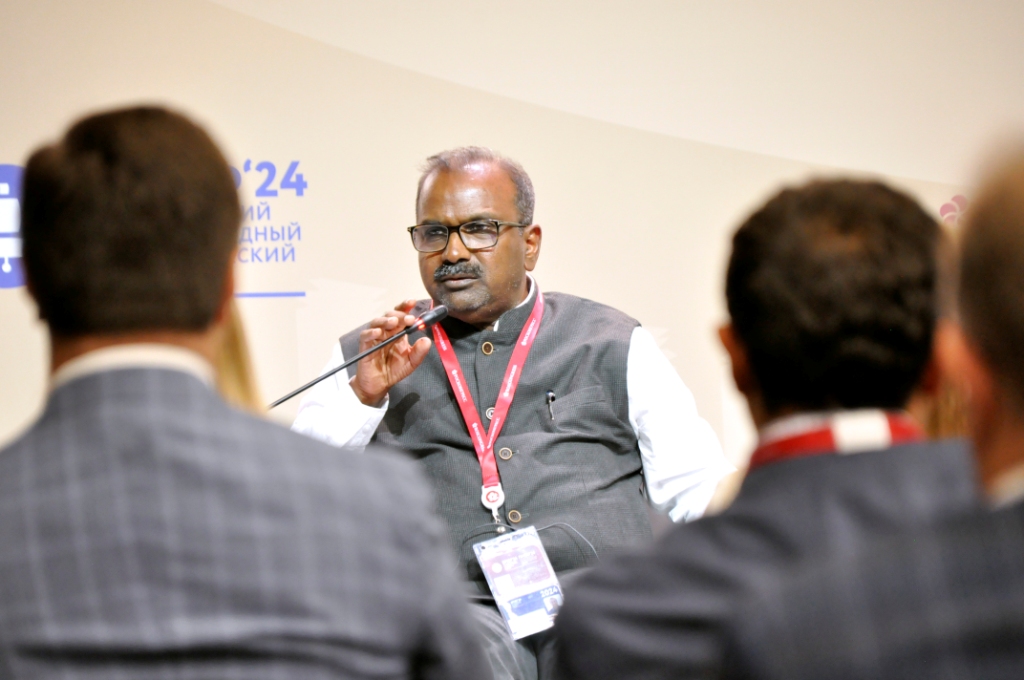
Sammy Kotwani shared his experience of doing business in Russia and pointed out prospects of the Russian market for companies from India. He assured Indian businessmen, who would want to open their business in Russia, that the IBA is prepared to provide them with comprehensive support.
“Russia is welcoming you, it opens its doors for you! Russia is probably the friendliest country in the world, where you will be received with kindness and respect”, – as Sammy Kotwani addressed his compatriots.
Participants of the discussion acknowledged that SMEs are more flexible than large companies, enabling them to more expediently adapt to market changes and introduce new products. This flexibility is the cornerstone for promoting innovations and sustainable economic growth.
“In India about 33% of its GDP, 40% of industrial production and 45% of all exports are generated by SME. This sector in India has created about 111 million jobs and is second only to the agricultural sector. We see major potential for growth through innovative technology partnerships at international level”, - said Kurana Ravina, RusAir Ltd. Director
Vitaly Stepanov, General Director of Moscow Export Center, noted that Moscow produces one fifth of the total gross regional product of Russia. The city has about 1 million various organizations, and 80% of these are SMEs. The business of the capital city is actively participating in foreign trade operations. 20% of all exporter organizations are located in Moscow.
“In terms of the total export volumes, Moscow accounts for about 40% of all products, exported from our country and for about 20% of high-value added products, or the so-called non-commodity, non-energy exports”.
This potential, according to Stepanov, should be developed further.