

New Logistics Realia
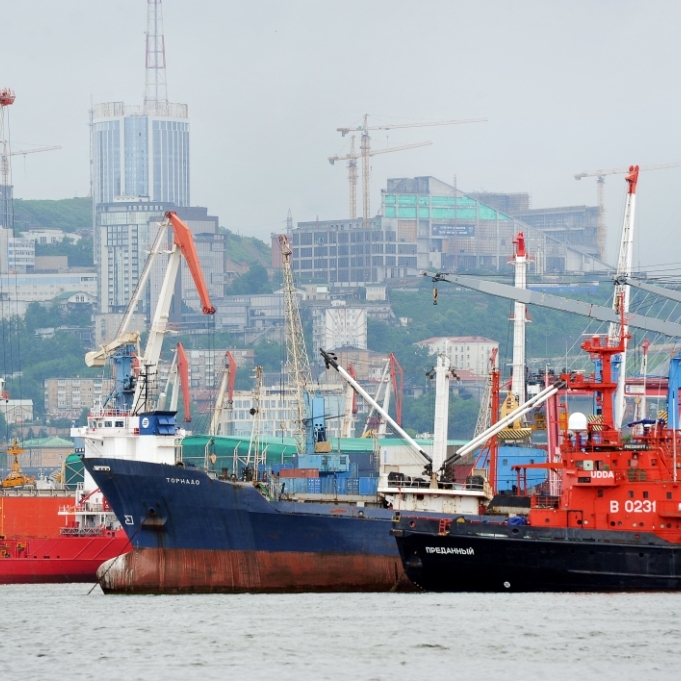
For the Russian economy, the loss of strong relationships with key Western foreign trade partners in 2022-2023 turned out to be a major challenge. This year Russia is still feeling a hard impact of the new business reality on its logistics and supply chains, reacting to any changes almost without any delays, and the geography of its foreign trade ties is becoming more sophisticated and complex. For instance, if previously an EU registered company with its own production facility in the EU could not export its products to the RF, and an EU registered company with its own production facility in China could, then in 2024 the Russian business faced restrictions on this supply chain development option.
Nevertheless, the Russian business keeps on building its competencies in successful search for sustainable arrangements and logistics routes through those countries that did not impose any strict restrictions – EAEU countries, Middle East and SEA countries, Turkey, Serbia. These countries, forming an economic or even a logistic belt of sorts, will gradually see appearing and developing companies, performing transit logistic countries for their Russian counterparts. It should be noted, that secondary sanction tools will operate as a counteracting factor in this case.
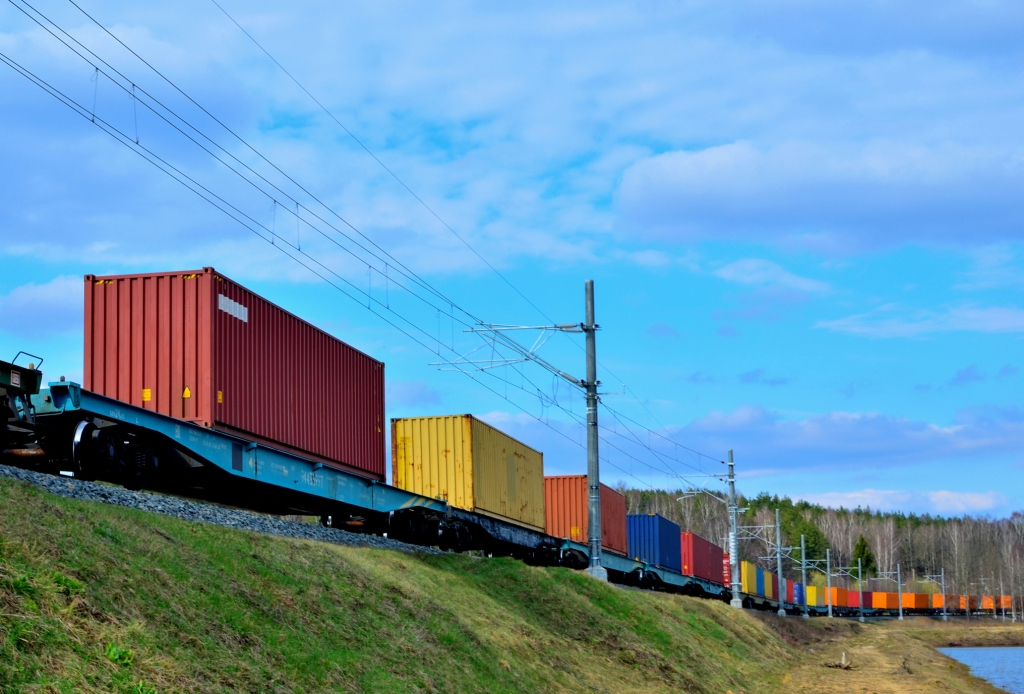
However, supply chain reformatting, changes in commodity flows and integration of other intermediaries will increase probability of achieving the goal, but it would lead to more complicated financial operations, longer operation periods, higher costs, and ultimately to higher payment failure risks. These changes, which are almost non-stop today, will require from Russian logistics experts literally daily monitoring of conditions and higher speed of response to changes and management decision-making. It is not uncommon now that during making a foreign trade deal its parties have to change delivery conditions several times, which naturally switches logistics to an ad hoc mode and requires businesses to perform strategic search for alternative routes and arrangements, which would be more foreseeable and predictable, and also less prone to unexpected changes.
Continuous search for new foreign trade partners, appearance of brands and manufacturers without any previous presence on the Russian market could lead to different degrees of success depending on an industry: for example, similar clothing and footwear products could be found rather quickly, when it could be very challenging to find new partners in engineering system automation. At the same time, foreign partners now have a better understanding of the significance of presence on the Russian market, driving them to take active efforts to find ways to come back to Russia one way or another, for instance, with rebranded products, varying degrees of localization of their production in the territory of the RF, etc.
In 2024 the Russian business is also facing other pressing issues: raising throughput capacity at its eastern direction, searching for most promising container shipment routes, balancing out container imports and exports, development prospects for the International North–South Transport Corridor and implementation of a direct railway track to Persian Gulf seaports with consideration to the current infrastructure and political realities, identifying ways to expand the cargo mix for shipment via the Northern Sea Route, searching for options to match cargo flows by cargo types and export/import directions with international logistics main routes?
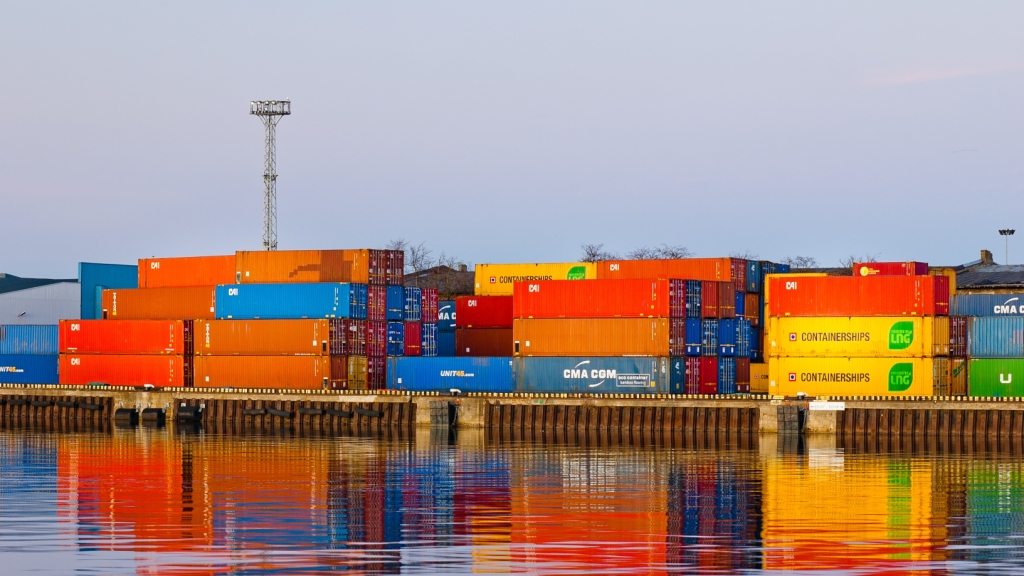
Russian international and domestic logistics have to keep on moving in the given direction to closely follow along the specified trends and to efficiently provide for ever more complicated business needs: to develop integrated chains of independent companies in various countries, enabling use of country advantages for shipments of different cargo categories; to search for entries to new regional markets with previously weaker foreign trade ties; to offer opportunities for search of suppliers and manufacturers of various product alternatives and equipment on new markets; to help the business build trade relationships with such manufacturers; to develop payment transaction expertise, since logistics issues and problems in current conditions always bring about the issue of payments and their routing; to efficiently manage costs, because logistics chain changes lead to manifold growth of costs, and controlling and limiting such costs becomes a significant competitive advantage.
Consequently, in 2024 Russian logistics operators faced the need to take their professional expertise to a new strategic level, offering broad geography outreach, strong integration with payment solutions and required competencies in research of existing markets and new markets, building trade relations with new partners, and they essentially have to turn into a cross-border business with broad geographic coverage and strong expertise not only in shipping but in related fields as well, including business development in other countries, making international payments etc.
Leonid Shurilinov,
Infranews Agency, expert