

Moscow And Africa: Renaissance Of Interregional Cooperation
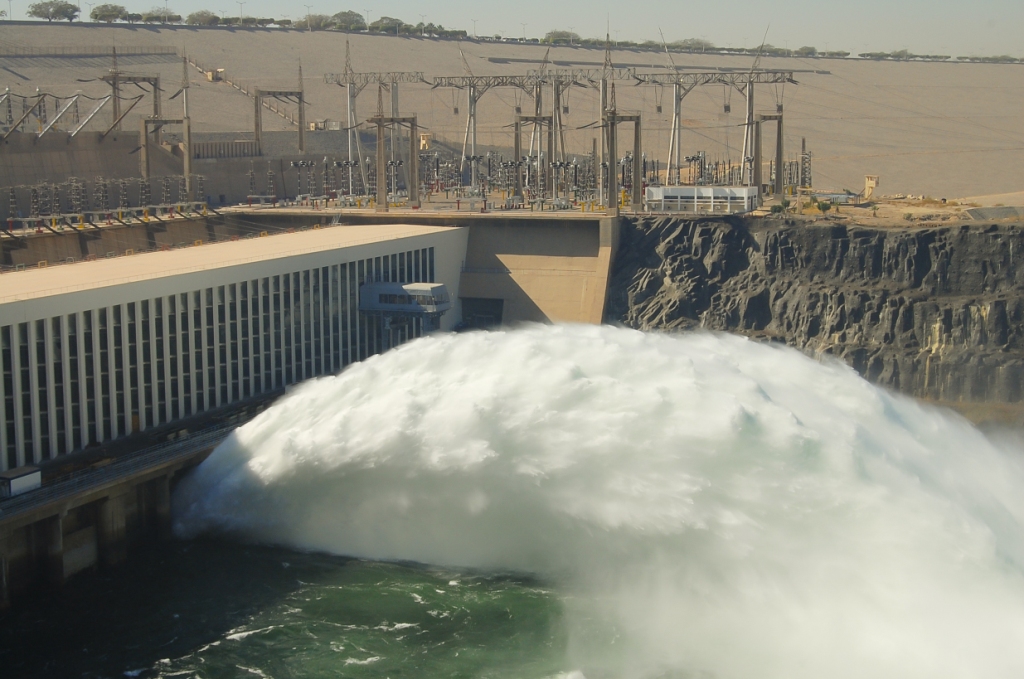
With the advance of the Soviet era, this cooperation went on to a whole new level. The USSR became a key ally of African countries in their fight for independence from colonial regimes. In 1960 the Soviet Union initiated adoption by the UN General Assembly of the “Declaration on the Granting of Independence to Colonial Countries and Peoples”, which had been a starting point for large-scale support of liberation movements. The USSR provided equipment, technologies and experts free of charge, making intergovernmental agreements on economic and technology cooperation with 37 African countries. Implementation of these agreements had led to creation of about 600 industrial and infrastructure assets, including power complexes with the total capacity of 2,9 million kW. A key achievement was the construction of the Aswan HPP in Egypt — a major hydro-engineering project of the XX century. Moreover, Soviet specialists took part in the development of mining, metals, oil refining industries and many other sectors, promoting industrial base establishment in many African countries. By the late 1980s over a half of assets, built with assistance of the USSR, had been commissioned.
After the collapse of the Soviet Union, the interaction with Africa slowed down due to the pivot of Russia to the Western markets, but hadn’t been completely shut down. The modern phase of the relations is marked with the emphasis on fighting neocolonialism and strengthening mutually beneficial cooperation. Russia criticizes the policy of the Western countries, which, while formally supporting the rhetoric of “free and prosperous green continent”, continue to maintain economic domination through informal control mechanisms. To counterbalance this, Russia is building cooperation on the principles of sovereign equality, respect for self-determination in development of African states and succession to the Soviet experience. This includes adherence to freedom from imposition of political conditions in exchange for investment, which reinforces trust on the part of African partners.
Today Moscow is actively returning to the African continent, building upon its historic capital and aspirations of the regional countries to conduct multi-vector foreign policy. Its priorities are still focused on joint projects in energy, mining, infrastructure and education, which is in line with the interests of African states in both economic modernization and the strategic objectives of Russia to reinforce its global positions. This approach, combining realism and respect for the historic heritage, creates a solid foundation for a sustainable and long-term partnership. Moscow views Africa as a promising market with growing investment potential, where its historic reputation and absence of any colonial past become competitive advantages. However, reinforcing positions would require systemic efforts for integration into regional value-adding chains, expansion of lending programs and development of digital cooperation platforms.
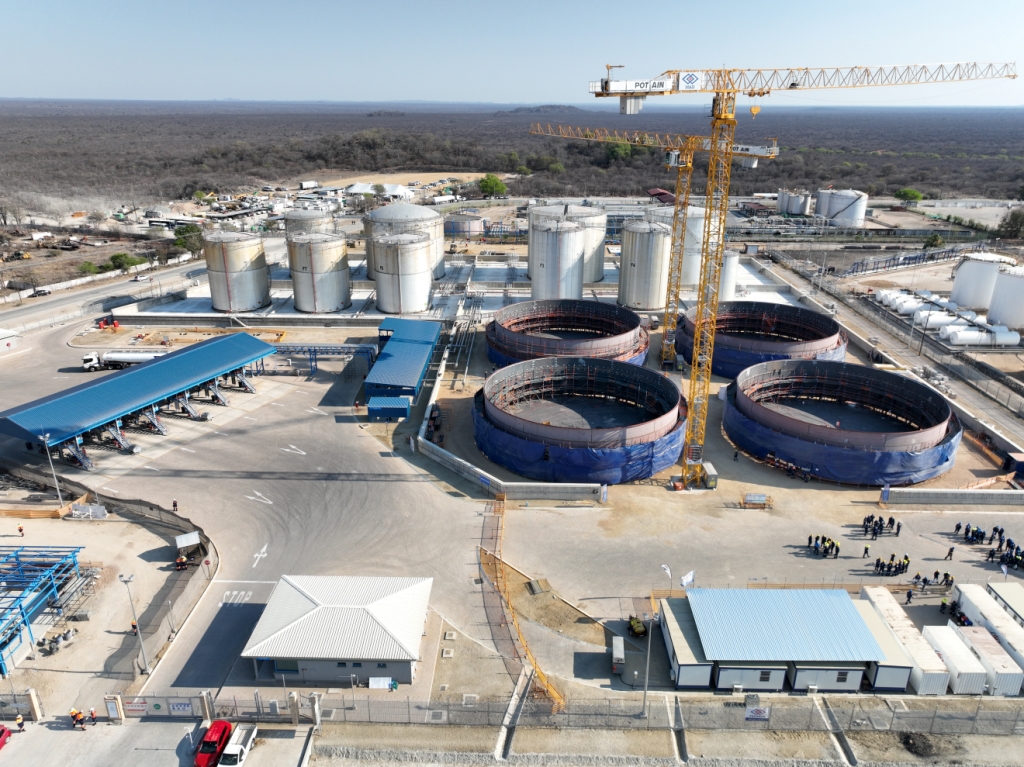
At present a number of significant Russian projects in key economic sectors is being implemented on the African continent. Energy industry is a priority area: Rosatom, operating in more than twenty African countries, is building the first nuclear power station “El Dabaa” in Egypt. Alrosa has been developing its activities in Angola since 1992, and starting from 2019 the company had expanded its presence in Zimbabwe, allocating $12 million for a geologic exploration program. LUKOIL is actively developing oilfields in the Gulf of Guinea, focusing on the West Africa as a strategic area; in 2023 the company launched production of liquefied natural gas with the capacity of 600 thousand tons per year. Investment activity of the Russian business also features extraction of mineral resources. Renova, a major Russian investor in the SAR, in 2017 executed agreements for $430 million to develop manganese deposits. RUSAL, a leading player in Guinea, invests into bauxite production, simultaneously supporting social programs and healthcare. Rosneft has improved its position in offshore projects: in 2017 the corporation purchased 30% of shares in the Zohr gas field in Egypt for $1,1 billion, and in 2019 it signed a memorandum on cooperation with the National Oil Institute of Mozambique. The Nordgold mining company has invested over $2 billion into projects in Burkina Faso and Guinea, including a license, granted in 2022, for development of the Yimiougou deposit with the area of 30 thousand km2.
Russia’s competitive advantages in Africa are based on the heritage of the Soviet era, when the USSR supported countries of the continent in their fight for independence. It created long-term trust, which also grows stronger with educational programs: tens of thousands of African students go to study in Russian universities every year, later on they take important positions in governments and businesses, promoting stronger bilateral relations.
Despite the growing turnover of goods and an increased number of projects, the volume of Russian investments in Africa remains lower than those of China and the USA. However, the approach of Russia, based on mutual respect and rejection of colonial practices, ensures sustainable loyalty of African partners. Further strengthening of positions would require a transition from implementation of standalone projects to development of a comprehensive long-term strategy, including infrastructure development, technology transfer and expansion of financial cooperation tools.
Leonid Shurilinov,
Infranews Agency expert