

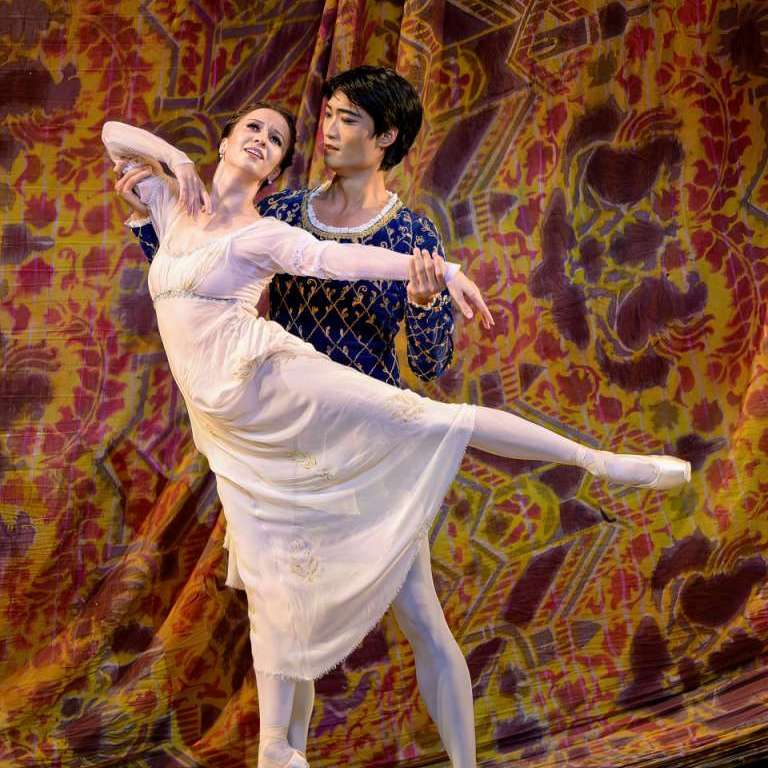
Kim Kimin: "Art awakens your inner self"
— Do you feel like being kind of a "cultural bridge" between East and West?
— First of all, I feel responsibility since I represent both Korea and the Mariinsky Theatre in Russia. I would be happy if I could contribute to forging friendly ties between the two countries through my endeavours. However, my main audience is currently Russian, as most of my performances take place in the Russian Federation.
— Dance is considered to be a universal language. Do you notice fundamental differences in emotional expression and body language technique between the Russian ballet school you work in and the Korean or international school?
— In this case, it is more accurate to talk not about school, but about culture. In Korea, ballet is presented in the same format as the Russian ballet school. My teachers, Vladimir Kim and Margarita Kullik, are representatives of the Russian school, and my “base” — the movements of my arms and legs — was established by them. Therefore, it is easy for me to dance in Russia. However, culture also leaves its mark. That's why I read Russian novels and listen to Russian music with great interest, not only to learn the techniques of Russian ballet, but also to penetrate the essence of the Russian soul, to fully understand the Russian audience and communicate with them in the same language.
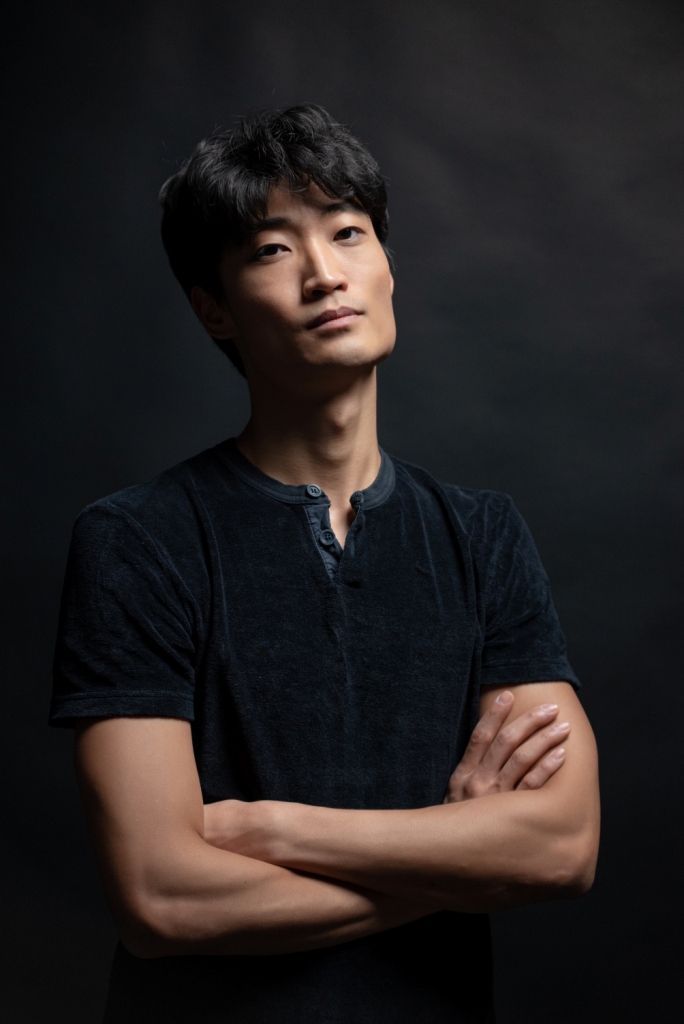
— Did Russian ballet help you learn Russian faster?
— The Russian language is very difficult, but the body language and personal communication make it easier to acquire good command of this verbal instrument. Even when speaking the same language, misunderstandings can occur, so it is better to conduct all important negotiations in person. Through the body language on stage, we interact closely with the audience. I also feel the conductor's mood very well, which he conveys through the music, and I adapt to it. My teachers instilled this ability in me.
— The city where you live and work, St. Petersburg, also has its own mood and character, which is often sort of harsh. However, the city captivates with its architecture, art, and unique ambiance. Does the city's atmosphere influence your creative tonus?
— For me, this is the most beautiful city. I feel ashamed that I haven't seen all of its worthy sights in the 15 years I've been living here. As I explore this city, I realize why so many legendary artists have been born here and left the legacy of their work here. They are brilliant in their own right, but the city has also played a significant role in their creative work. St. Petersburg has had a profound impact on me as well. I love dancing here.
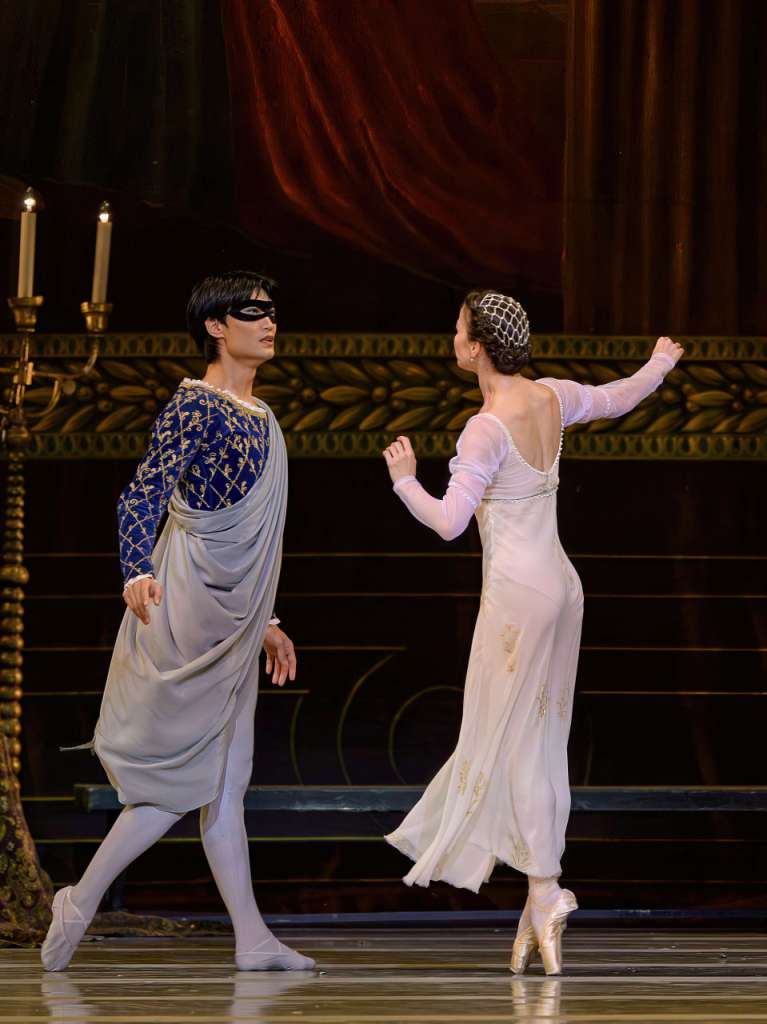
— How do you feel in Moscow?
— I also enjoy visiting Moscow. I really like the Sapsan express train. For those who live here, it's all very familiar: you don't feel the same beauty that visitors note. This is true everywhere. However, after 15 years of living in Russia, in St. Petersburg, I still find it exciting to travel to Moscow and explore other cities in the country.
— What was the most unexpected challenge you faced when you moved to Russia, whether it was in the ballet class, everyday life in St. Petersburg, or exploring and discovering the Russian mentality?
— The most complicated part was understanding the Russian mentality. Russia is like a second home to me. I love Russian literature, music, and art, but I am still Korean. Everyone has only one homeland. Therefore, I see Russia through Korean eyes. I love it here, and I see the beauty of this place. If I'm in a bad mood, I get behind the wheel and just drive around the city. St. Petersburg is especially mesmerizing at night.
As for the challenge... The Russian people are very emotional for me. Koreans are more reserved and closed, and we don't show our emotions. That's why it was difficult for me to express myself on stage at first, and I was very shy.
— What turned out to be easier for you than you expected?
— The weather. I adapted quickly. I like the Russian winter. It was also scary to live alone in a foreign country with a distinct culture. People in Korea know much less about Russia than they do about the United States. But it's easy for me in Russia. The Russian people are very helpful and honest. I have a very close friend here, and he once told me, ”Kimin, don't worry, the people of St. Petersburg are very kind.”
When I first arrived here, Victoria Teryoshkina, my partner in the ballet The Corsair, gave me the card of a Korean restaurant at our first rehearsal to help me feel less homesick. It made me feel very warm inside. All the artists at the Mariinsky Theatre are just as helpful, always ready to assist.
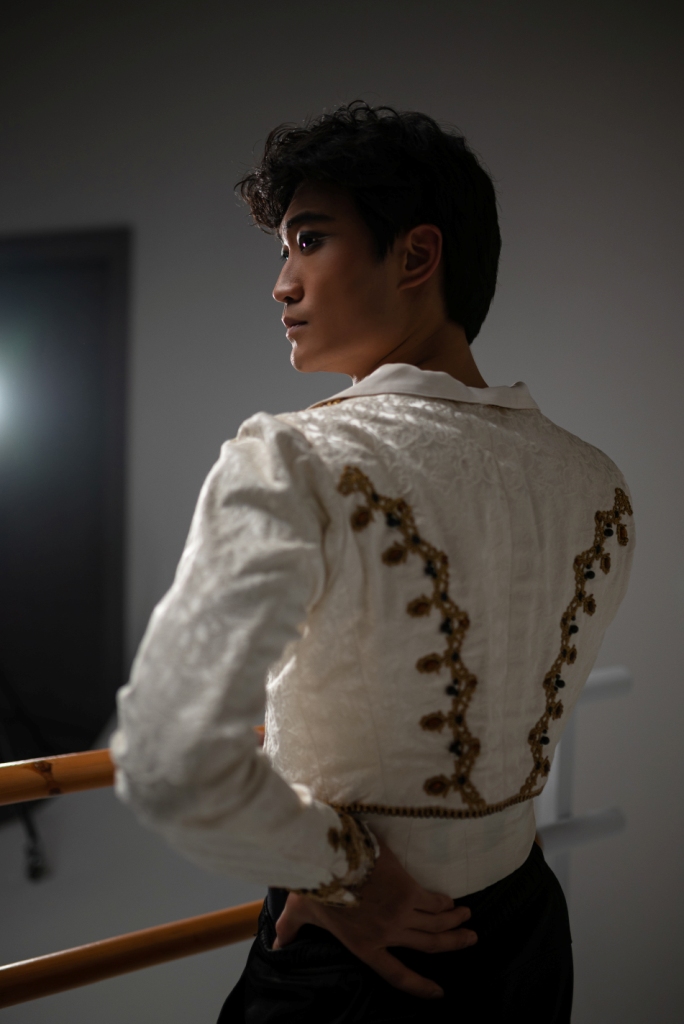
— Which role and which ballet was the toughest challenge for you to come to terms with the stage character?
— The ballet "Leningrad Symphony." I wanted to refuse the main role because I'm not Russian. I felt that I didn't have the right to do it, that it would be disrespectful to the Russian people. But the ballet master, Gabriela Trofimovna Komleva, approached me and said, ”Kimin, you must do this. You can do it.” I take my roles very seriously and responsibly. To get under the skin of a stage character, I watched seven or eight black-and-white movies from that time.
— The life of a professional ballet dancer demands incredible discipline. Have you faced differences in the approach to nutrition and fitness in Russia and Korea?
— I have never had any problems with my diet. I have always been slim. I can eat anything (Korean, Russian, Japanese, European… cuisine), and I enjoy it all. Food is a source of happiness for me.
As for discipline, I know my strengths and weaknesses, and I constantly work to improve myself and overcome my shortcomings. I've been accustomed to doing everything to the best of my ability since childhood, waking up early and engaging in additional training to maintain my optimal fitness. As a result, I have limited time for socializing, and I rarely go out with friends for coffee.
— How do you relax?
— I prefer to stay at home, watch movies, listen to music, talk on the phone, and read books. These activities provide the best form of relaxation. For ballet dancers, it's important that their legs stay higher than their hearts during rest time. I don't need to relax in any other way. I love ballet, I'm a fan, and it's not a burden for me; it's a pleasure.
— Which ballet contests and competitions were the most significant for you? Tell us about this experience.
— The Arabesque Ballet Competition in Perm, where I won the Grand Prix. My idol, Vladimir Vasilyev, was present at the competition, and I was very excited to perform in front of him. He once said that he had never seen Kimin perform in a full stage performance, and he came to watch the ballet La Bayadère at the Mariinsky Theatre. He has very powerful internal energy and charisma; when he's sitting in the audience, it feels like there are not 1,500 people watching the performance, but a million. It was very exciting to perform in front of him. Thankfully, he always gave me positive feedback.
— Performing at the Mariinsky Theatre is a dream for many. You have probably fulfilled your own aspirations. What is your next big artistic goal?
— I just love to dance, and it's important for me to have a new repertoire, new choreography, and new work. I love classical ballet, but we live in a modern world, and we need to move forward, which means having new stories and new choreography. It's not just about performing Swan Lake, Don Quixote, or La Bayadère in their original form; I want to see and participate in completely new productions. We need to create new ballets so that future generations can dance our ballets in our suggested version, and so that they can appreciate them as we do. Classics, and art in general, allow us to see the sleeping "I" within ourselves.
— Where is the world of ballet heading now, and what are the current trends?
— Ballet performances are becoming shorter and more dynamic. This reflects the dynamics and trends of the times. However, I disagree with this approach. Great art should not adapt to the audience's demands; it should be slow-paced and thought-provoking. Art should educate. Today's children are no longer able to maintain their attention for long periods, and this is a huge problem. There is popular music designed for the masses, and then there is classical music. These are different genres with different goals. I want to show what I love and engage the audience in what I enjoy. It's worth noting that our ballet dancers face a challenging task: time demands quick action, but they leave this hustle and bustle behind the scenes.
— What message does ballet as an art form convey?
— Ballet cannot be an item of the “one size fits all” type, but it must be loved. Art is necessary for people. It is not a matter of choice, but a duty for individuals. It brings peace and happiness. Art awakens the inner self.
— Where do you see your personal future: in Russia? In Korea?
— It depends on my wife, who I do not have yet. To be honest, I do not believe that a family is necessary. I am willing to live alone. But if I have a wife and children, I will be happy. Ultimately, the future is determined by Fate.
Kim Kimin was interviewed by Ekaterina Borisova