


Elena Borisova: “The future of inbound tourism in Russia looks inspiring”
"The development of tourism in Moscow, Elena Borisova emphasized, is not only changing the face of the capital, but also has a significant impact on its infrastructure and economic potential. The improvement of the transport system, the development of cultural and entertainment industry, the creation of comfortable pedestrian zones make the city more attractive to tourists and locals. Investments attracted by the surge in the number of tourists contribute to the modernization of cultural heritage sites, the improvement of public spaces and the development of new tourist assets.
Holding city festivals and cultural events in the capital stirs keen interest in local cultural heritage, including gastronomic peculiarities. Moscow has long established itself as a global gastronomic hub, offering a wide variety of both local dishes and cuisines from all over the world fitting into any personal budget.
The upturn in the number of tourists contributes to the growth of incomes in the hotel, restaurant and entertainment sectors, which is essential for the economic stability of the city. As a result, it serves as an additional incentive to foster the hotel and restaurant infrastructure, create new jobs in the service and tourism sectors, which has a positive impact on employment. Thus, the increase in the tourist flow to Moscow in recent years has brought both benefits and challenges.
- How do you plan to maintain this positive trend, taking into account the new realities?
- The contemporary tourist is becoming more demanding and selective, and this change requires new approaches and solutions by the tourism industry. In order to sustain positive dynamics in the face of changing realities, it is necessary not only to improve the services, but also to show sincere attentiveness to each guest.
At the moment, there are several areas for lucrative development: first of all, it is the simplification of access to information through the creation of convenient multilingual applications and interactive maps that will help tourists easily navigate throughout the city and find places of interest on their own. In addition, all those involved in the leisure and service industries should be focused on improving the quality of services provided. Investments in the training of employees of hotels, restaurants and cultural institutions are of paramount importance, so that they can offer a high level of service and a customized approach.
At the same time, it is necessary to develop loyalty programs and flexible offers for regular customers, as well as the organization of thematic tours and events that emphasize the uniqueness of the region.
Prompt adaptation to new requirements such as safety and health, as well as the promotion of environmentally friendly initiatives, is no less imperative.
Due attention should be paid to cultural events: festivals, exhibitions and concerts that will attract visitors and create a positive image of the city.
It is vital to support local talents who make the location unique, and also to assist local artists, musicians and artisans in organizing exhibitions and concerts. These measures will help not only to maintain, but also to instill the loyalty of tourists, thus ensuring a steady rise in the flow of guests and their readiness to come back to Moscow.
- The main tourist flow in recent years has been made up of domestic tourists; they constitute about 90% of the total. Has the situation changed today? What regions do people come from most often?
- Recent years have significantly transformed the tourist landscape of Moscow and the whole of Russia. Domestic tourism has firmly established itself as the dominant trend — about 80% of all travelers prefer to explore the cities and regions of their Homeland. Restrictive measures in the sphere of outbound tourism, coupled with the interest of Russians in domestic sights, have made this trend sustainable and attractive. Today, Russians are gradually choosing cultural, historical and gastronomic tourism, opening up new facets of their native land.
Moscow continues to hold its position as a center of attraction due to a wide range of cultural offerings, museum exhibitions and festivals. Despite a slight decrease in the dynamics of international tourism, foreigners are gradually returning to Russia: since last year, there has been a surge in the number of visitors from abroad. Geographical proximity and political stability of relations with neighboring CIS countries, China and Middle Eastern countries, which stimulate the development of inbound tourism, are of particular importance.
- What is the future of inbound tourism, given that the international situation in the world is gradually returning to normal?
- The future of inbound tourism in Russia looks promising. Taking into account the current signals for the normalization of the international situation, a significant upsurge in the number of foreign tourists can be expected. However, in order to take advantage of these opportunities, it is necessary to adapt to new market requirements, constantly improving the quality of services while introducing sustainable and environmentally friendly practices. The departure of international brands has become an incentive for the development of the internal competencies of Russian hoteliers, who are actively implementing modern technologies and upgrading the equipment of the room stock. Service and staff training are constantly being refined, since internal competition encourages hotels to attract and retain regular guests, and procedures are being regulated by strict standards, which allow maintaining a high level of services.
- In 2024, over two million business tourists visited Moscow, which is 15% plus compared to 2023. Have the signs of international tensions possible cooling off led to an influx of foreign business representatives to Moscow?
- We note an increase in the share of foreign visitors, but this is still not an influx, as you say. First of all, we attribute this trend to a stable exhibition calendar and to the rise in the number of notable events in the city. In general, there is already a trend towards positive changes in the business environment, and we note the growing interest of foreign companies in the Russian market and their desire for vigorous cooperation. The process of adapting to the new conditions for foreign business has ended and a new stage of interaction is beginning.
Undoubtedly, it should be noted that in recent years, effective measures have been taken to strengthen cooperation with the BRICS and Middle East countries. The use of electronic visas has also made a significant contribution to the increase in the flow of visitors from abroad.
The hotel sector, in turn, reacts very rapidly to the challenges and requests of guests, starting with the introduction of special conditions in service standards, the connection of new booking channels and the provision of payment solutions in the case of transaction from abroad.
- Nationals of which countries most often visit Moscow?
- Over the past two years, there has been a tendency in Moscow to welcome the flow of tourists from both near and far abroad. Kazakhstan, Uzbekistan and Belarus are the leaders among the CIS countries.
Kazakh citizens traditionally make up a significant proportion of foreign tourists in Moscow, which is due to historical and cultural ties.
Uzbekistan is also one of the main sources of tourists, and Belarusians often visit Moscow both for tourism and business purposes.
As for Asia, the citizens of China and Turkey show the greatest interest in visiting Moscow.
Europe is also represented in the tourist flow. German and French citizens are usually drawn by the cultural and historical hallmarks of Moscow.
The visitors from the Middle East are also becoming prominent and visible in the overall tourist flow. Tourists from the United Arab Emirates regularly come to visit Moscow due to well-established air links.
Thus, the leaders of the tourist flow to Moscow are citizens of neighboring countries such as Kazakhstan, Uzbekistan and Belarus, as well as tourists from China and some European countries. The trend towards an increase in the tourist flow from these countries remains stable, so the Russian capital has the potential to further increase the number of foreign visitors.
- Taking into account Russia's BRICS presidency in 2024, has the tourist flow from the countries of this association gone up?
- In 2024, against the background of Russia's BRICS presidency, the tourist flow to Moscow from the countries of the community really went up, especially due to visitors from China (an increase of ~40%) and India (+25%), since visa regime streamlining and dynamic restoration of business tourism had a significant effect. The tourist flow uptick from Brazil and South Africa was amounted to 10-15%, but their share in the total flow remains small. The main driver of growth is business tourism (forums, summits), while the leisure segment is developing at a slower pace due to logistical difficulties, visa barriers and economic factors in the “donor” countries. Further growth will depend on the expansion of visa-free travel arrangements and improved transport accessibility.
In particular, during the days of the BRICS summit, we witnessed a significant increase in demand for all types of business in the WTC. Our colleagues observed a similar growth.
- How seriously has the departure of foreign hotel brands from Moscow affected the tourism market? Is there a danger of deterioration of world-class service standards in Moscow hotels?
- The departure of international hotel brands from Moscow, of course, at some point, created operational bottlenecks, but did not lead to a diminution in the quality of services provided. Most hotels have maintained international standards due to highly qualified staff or the transition to the management of Russian operators who are readily adopting international practices. The business segment has temporarily reduced the flow of corporate customers accustomed to global networks, but tourists from Asia, the Middle East and the CIS, as well as the development of local hotel chains are gradually filling this gap.
The growth potential is associated with digital services, loyalty programs and the introduction of artificial intelligence (AI). Moreover, the hotel industry has preserved not only five stars standards – internal competition encourages hotels to vividly demonstrate their uniqueness, emphasizing the exclusivity of the product, whether it is the history of the building, the distinctiveness of the design, the viewing platform, etc.
- What is the current occupancy rate of 3, 4 and 5 star hotels in Moscow? How does this affect the growth of tourist flow in the city?
- The occupancy rate of hotels in Moscow varies depending on the category. The 3-star hotels have an occupancy rate of about 80%, which indicates a high demand among tourists who prefer affordable options.
The 4-star hotels fill up by about 75%, due to their location closer to business centers and major attractions, which is an added value for both tourists and business travelers.
The 5-star hotels have an occupancy rate of 70%, which indicates a high level of service and amenities that attract tourists looking for a luxury style. This level of occupancy is a testimony to a growing interest in Moscow not only as a business center, but also as a tourist destination. Improving the infrastructure and services of hotels makes the city more appealing to international visitors. The high occupancy rate of 4 and 5 star hotels indicates an increase in business activity and the organization of city events, which contributes to an increase in the tourist flow.
***
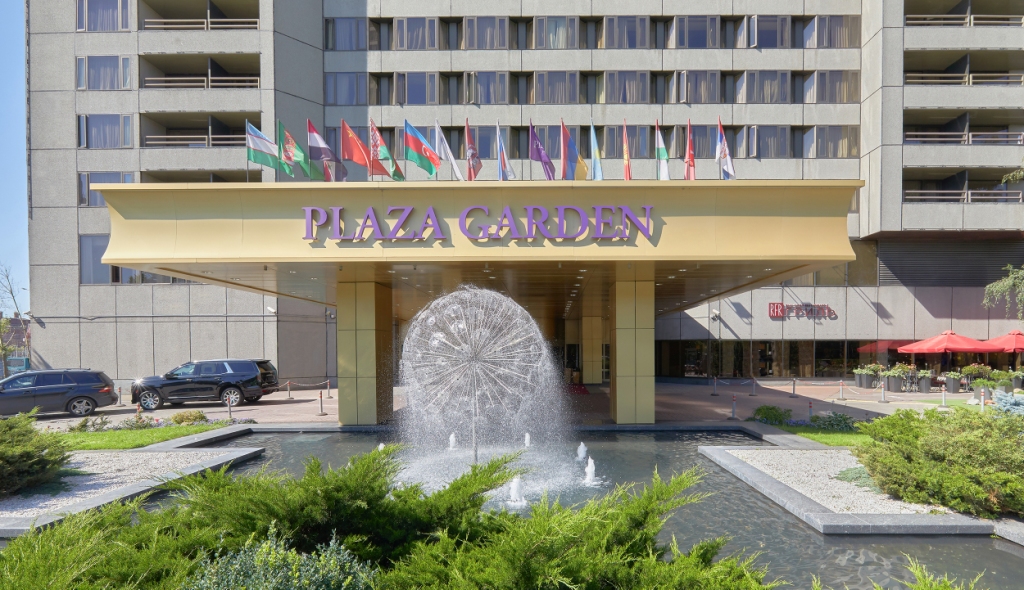
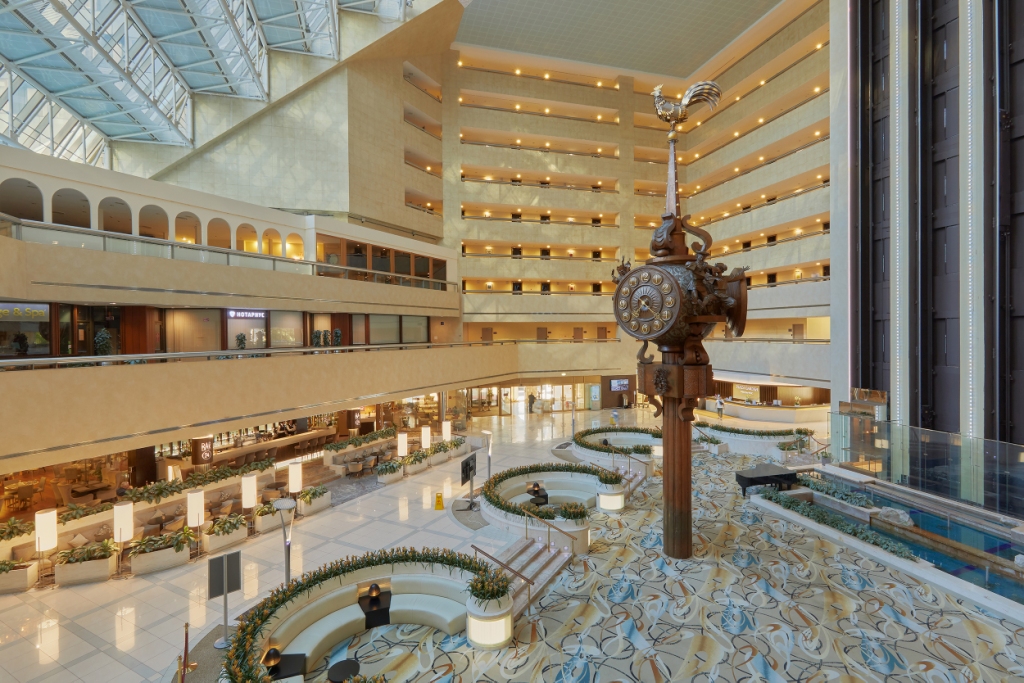
The Plaza Garden Moscow WTC 5* Hotel is located in the business heart of the capital on the picturesque Krasnopresnenskaya Embankment overlooking the Moskva River and is part of a multifunctional complex of the World Trade Center (WTC). Located under one roof there is an international Congress Center, a variety of restaurants and shops, a fitness center with a swimming pool, souvenir shops and many other necessary amenities.
The business center of Moscow City and the Afimall shopping and entertainment center, the Rossiya National Center, as well as a cozy park area are within walking distance from the hotel. The location is ideal for both business and family vacations.
Plaza Garden Moscow WTC has 727 ergonomic rooms that instill in our guests a ”Home away from Home” feeling. Each room has everything you need for a comfortable stay and productive work. And international standards of hospitality, individual approach and high level of security guarantee impeccable service.
***
Advantages of the Plaza Garden Moscow WTC Hotel:
- Global service standards;
- Convenient location;
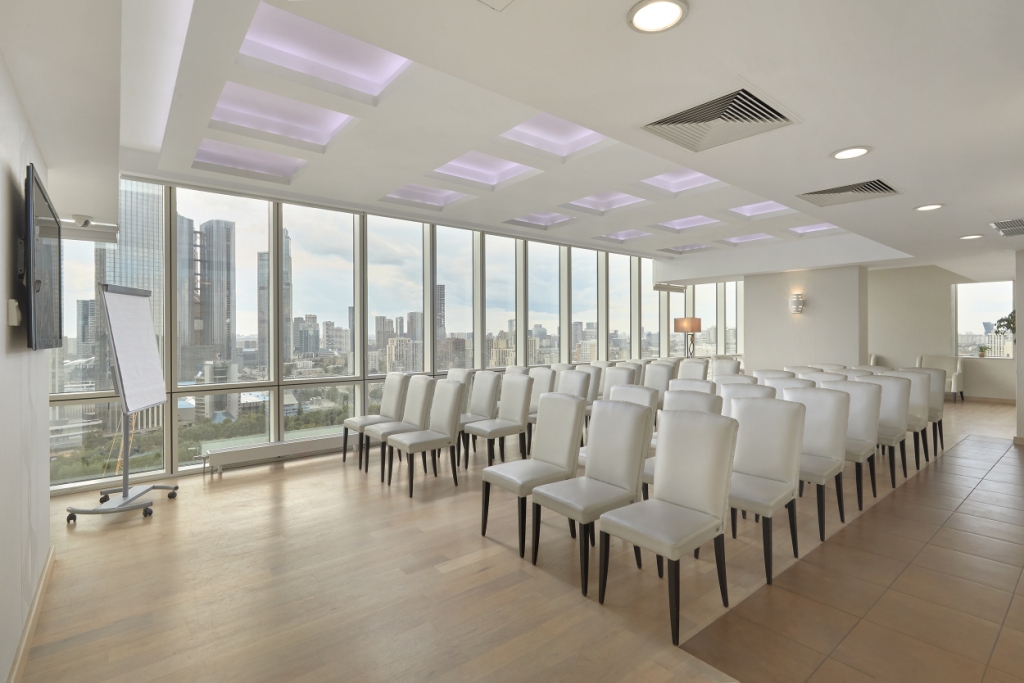
- Availability of 7 banquet and conference rooms;
- Private secured parking;
- High level of security;
- Breathtaking views of the Moscow landscapes.