

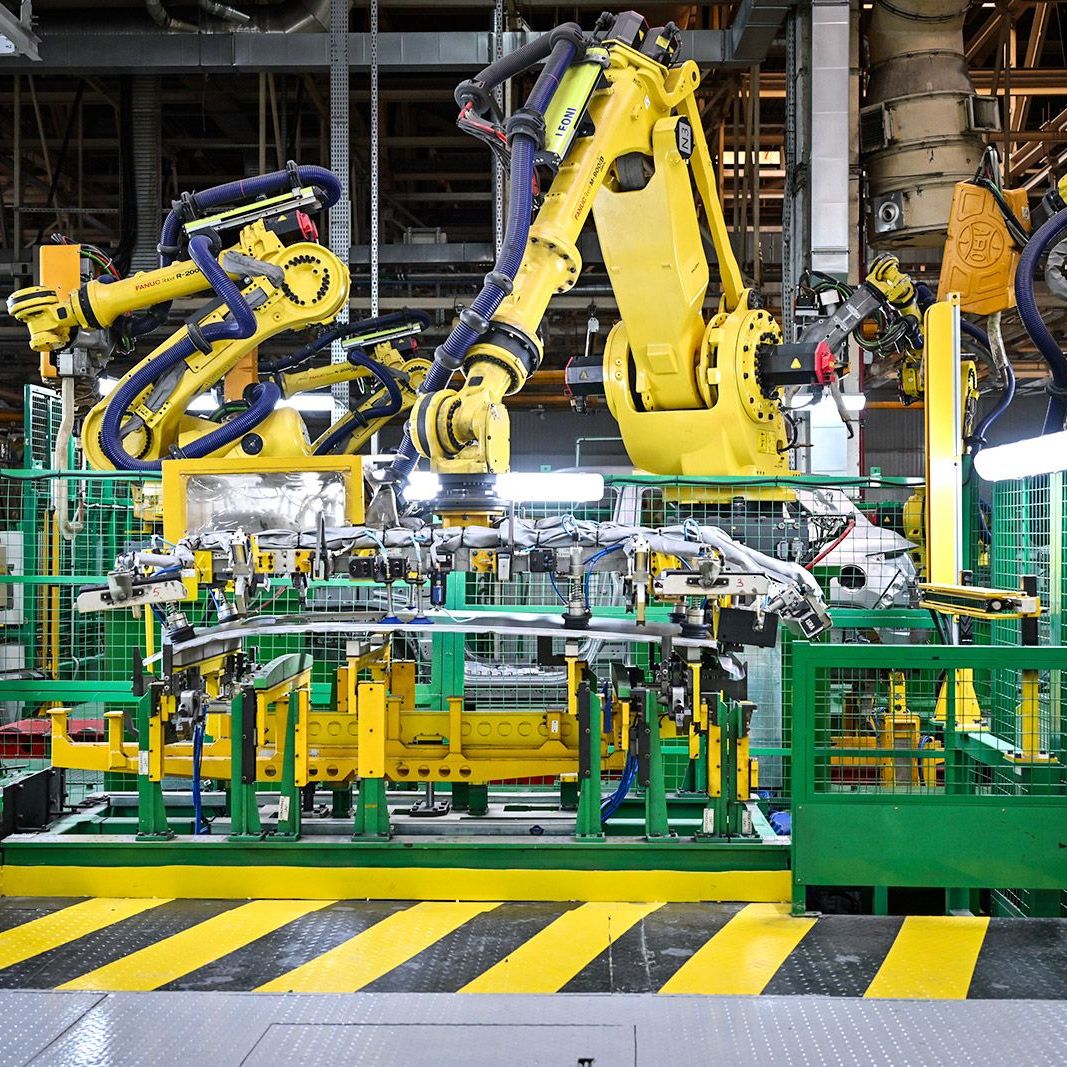
Automotive Market In Russia
Today at Russian roads one could see with one’s own eyes how the Western car industry is being replaced with Chinese cars. Could you comment on any statistics of the process?
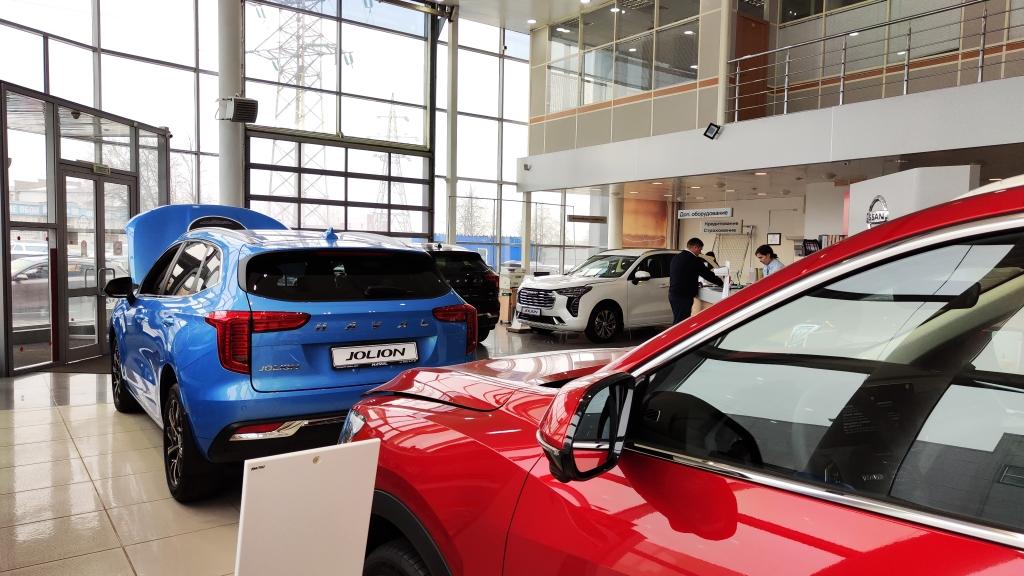
Essentially, this process has been going on for two years. If we look at car sales, then the average share of Chinese brands by now has grown up to almost 60%. By the results of the first half of 2024 almost 59% of cars are purely Chinese brands. There are also cars built upon a Chinese base. The Moskvich brand is the best example of this. There is also an XCITE project, a Sollers brand; Belgee, a Belorussian brand, assembled in Belorussia primarily for the Russian market, is also Chinese-based. So the actual share of Chinese cars on the Russian market is even higher, it makes 2/3 of sales.
But the situation on the roads is still different. Our roads feature those cars that are called the car fleet – cars, owned by private citizens. In this case the share of Chinese cars in the car fleet of the RF is yet small – about 3%. The fleet is being replaced rather slowly, because people will keep on using their cars while they could be driven.
There are also region-specific figures: some regions have more Chinese cars, some have fewer.
Now the Government is trying to find a balance between Chinese car imports, their assembly in Russia and manufacturing of Russian cars with Russian components. The story about Russian Volga and its Chinese-made steering wheel is quite graphic. Have there been any specific decisions made?
The Government wants to get foreign suppliers from friendly countries to come (and in our case this leaves only China), but this process involves very complex economics. It is impossible to make components in Russia cheaper than in China. A Russian-made spare part will always be more expensive than a Chinese one. It is quite hard to localize Chinese cars in Russia for this reason. At the same time tax incentives may be helpful for setting up assembly, just as Moskvich has done by partnering with a Chinese GAC corporation, as they are trying to do in Saint-Petersburg (XCITE), in Nizhny Novgorod (Volga).
By the way, there is no Volga car in existence yet. What they have shown is a prototype. As for the story with a Chinese steering wheel – there is nothing to be ashamed of here. A steering wheel essentially is a rather complex mechanism: it integrates an airbag, multiple electronic devices, communications and multimedia etc. Complete localization of a steering wheel is a most complex and important task. It would be easy to localize plates, floor mats, plastic details, bumpers, unsophisticated semi knocked down elements and fasten a new VIN plate. Tyres can also be replaced, because foreign manufacturers have abandoned their plants in Russia. Complicated elements would be impossible to localize, because the economy of scale plays a very significant role in the car industry. China makes 30 million cars, and Russia – only half a million. It would be unthinkable to make in Russia anything cheaper than in China.
How serious is the issue with manufacturing Russian components for pure Russian brands?
In early 2022 there was a vivid example, when foreign suppliers exited Russia, leaving their technologies and plants. We managed to relaunch LADA Granta rather quickly, because it had the minimal share of dependence on imports. It is the same situation with Niva: we got our own engine and battery. At the same time all Renault models, that were made in Russia, have been dropped. The issue with Largus is a hard one: the production is getting online, but in minimal volumes only, because there is a high share of foreign components, and it is very difficult to replace these with Chinese and Turkish elements. The production of Vesta was also restarted with some issues and with loss of quality. Nevertheless, the factory keeps on fighting and sees potential in its upcoming models.
The second ongoing process that I mentioned is assembly based on Chinese models. Again, AVTOVAZ jointly with Chinese Chery is assembling XCITE, just as do other Russian factories, for example, in Kaliningrad they assemble Chinese cars with minimal localization.
Western, Japanese and Korean cars have not yet been “washed away” completely from the Russian market. What is the situation with spare parts for these cars?
There is still parallel import for many brands. There are some supplies for premium European brands (BMW, Audi, Mersedes-Benz), and also for Japanese and Korean cars… But the parallel import share on the car market has gone down significantly, to 5-6%. And it keeps sliding every month, because conditions get tougher constantly. There are no major issues with spare parts and maintenance. In the event of repairs delivery times are longer – some parts could be delivered in a month, some in two-three months. And this issue exists even for Chinese cars: sophisticated spares take long delivery times. And things related to regular maintenance like filters, oils, brake pads etc., for these there aren’t any issues. There are independent supply channels in operation, and some distributors keep stocking their inventory of spares.
Do you have a feeling that all the brands that have left would return?
By all means! But this would require specific conditions – an end to the ongoing geopolitical conflict and lifting of the sanctions, and these would require time. It’s a long story. Even Ford, which entered Russia in early XX century, has left and come back several times.
Could you give a preliminary estimate of where we would be when the automotive market in Russia stabilizes?
If we look at monthly sales dynamics, then the market has already stabilized. We crashed from the level of sales of 150 thousand cars per month to 30 thousand a month. Now the sales are somewhere at the level of 120-140 thousand per month. Now we are balancing on a stable market.
The structure of the market has changed as well: 60% - Chinese brands and a bit over 30% are Russian ones. It is possible that the share of conditionally Russian brands would rise a little due to assembly of Chinese brands under new names. This trend will develop further, because the Chinese are also reluctant to get hit with secondary sanctions, and they are satisfied with this arrangement.