

Moscow-New Delhi: Obstacles to investment flows
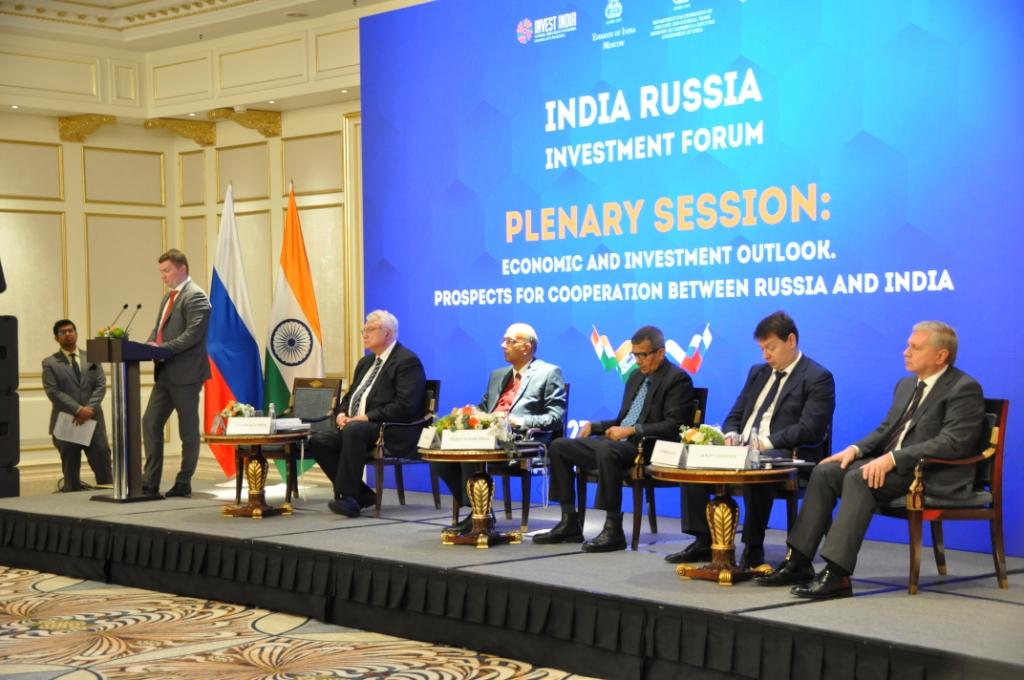
According to the organizers of the forum, organized by the Ministry of Economic Development of the Russian Federation and the Embassy of the Republic of India in Russia, over 250 representatives of the business community, as well as government officials and diplomats of the two countries took part in the deliberations.
The current and potential government support measures aimed at stimulating two-way investment flows were on top of agenda.
Today, India is on the priority list of Russia's key trading partners. Over the past five years, the volume of trade interaction has increased fivefold. In 2023, India climbed to the second place with a share of 8% of Russia's total foreign trade turnover.
Over the past year alone, the trade turnover between the two countries increased by 61% to reach 56.8 billion dollars, thus updating the historical maximum. According to IMF experts, the positive dynamics remains in 2024: in the first three months, trade between the two countries went up by 18%.
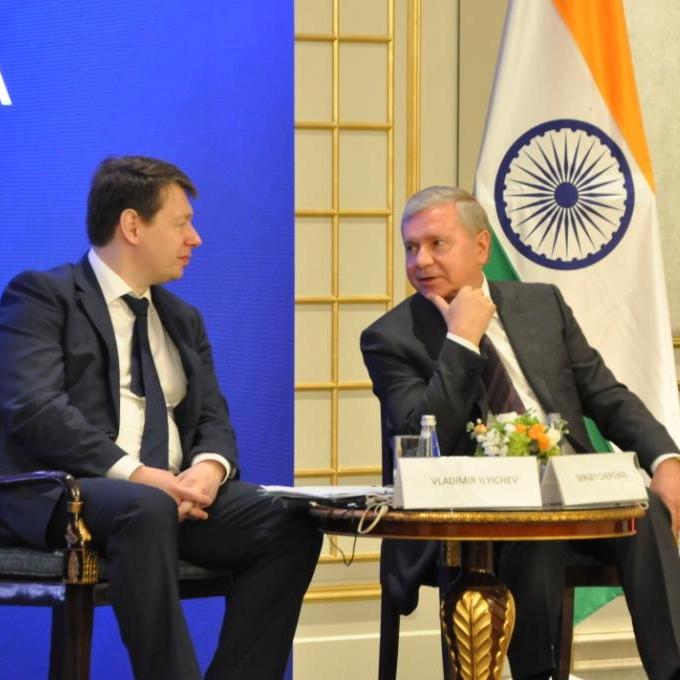
"Imports of goods from India in 2023 showed steady growth in all product categories. The largest increase in imports from India was recorded in the supply of machinery, technical products and vehicles, chemical industry products and metals. Over $1 billion worth of food was supplied by India alone. However, mineral raw materials from the main share of Russian exports to India," Vladimir Ilyichev, Deputy Head of the Ministry of Economic Development of the Russian Federation, noted in his speech to the forum participants.
Meanwhile, all participants of the forum share the view that substantial problems have accumulated in trade and economic relations between Russia and India. Speakers at the plenary session noted the significant disparity in the trade balance of the two countries. The structure of trade flows between the countries requires immediate restructuring.
"We share the perception on the need to reduce the imbalance in our trade, making it more stable and predictable. To do this, we and our Indian colleagues need to take a number of steps to diversify the structure of trade and expand the range of goods supplied," Ilyichev detailed.
According to Ilyichev, Moscow has an interest in expanding Indian supplies in the current situation. In the meantime, there are still problems with financial transactions due to sanctions and "the current settlement infrastructure does not fully provide for the necessary level of uninterrupted banking operations.”
The assessment made by Ilyichev was supported by other participants of the forum, e.g. Secretary of the Department of Industry Development and Domestic Trade of the Ministry of Commerce of India Rajesh Kumar Singh, Vice President and Managing Director for International Bilateral Relations of the Russian Union of Industrialists and Entrepreneurs Sergey Krasilnikov, Senior Vice President and Chief Investment Officer of Invest India Sunita Mohanty and others. These officials strongly believe that it is expedient to focus on the development of logistics corridors, expand the possibilities of using national currencies in mutual settlements, and create conditions for as many joint ventures as possible to be set up on the territory of both countries.
"Business of the two countries needs to facilitate the search for new product niches and market entry. The growth of bilateral trade can be facilitated by an increase in the investment activity of the parties and the mutual penetration of the economies of Russia and India," Vladimir Ilyichev pointed out in particular.
Murat Kerefov, Deputy Minister of Economic Development of Russia, flagged one of the key tools that form the basic conditions for investment: regional investment standard, which is aimed at creating a favorable administrative and legal environment through a unified system for attracting investments, eliminating typical barriers that exist for investors.
"Foreign investors who locate their production in Russia have access to the same support measures as Russian companies. The key condition is the registration of a Russian legal entity," Kerefov explained.
Sergey Cheremin, Minister of the Government of Moscow, Head of the Department of Foreign Economic and International Relations of Moscow (DVMS), gave his assessment of the investment policy of Russia and India.
"India and Russia are leaders in this field and together they can create new opportunities for the development of innovative projects and increase the competitive abilities of both countries and our companies," Cheremin said.
The Minister also noted that the Russian capital is actively generating advanced technologies. In terms of the number of technoparks, technopolises, and industrial clusters, the Russian capital is one of the leaders in the world, comparable in scale to Beijing.
The head of the DVMS highlighted the cooperation of the Russian capital with such Indian states as Maharashtra, Uttar Pradesh, Andhra Pradesh, and with partners in New Delhi. He also announced plans to establish technological cooperation with Bangalore, which is the high-tech capital of India. There are many forms of support for foreign business in Moscow, and the Russian capital is extremely interested in attracting Indian companies, Sergei Cheremin concluded.
Indian Ambassador to Russia Vinay Kumar, in turn, said that the First Investment Forum in Moscow, where companies, entrepreneurs, government agencies and ministers come together and explore ways to support the efforts and initiatives of the business community, is "an important instrument to maintain the level of trade that our countries have achieved."
The high-ranking diplomat informed the forum participants that last year the embassy facilitated the visit of over 20 Indian business delegations to Russia, as well as the visit of Russian entrepreneurs to India.
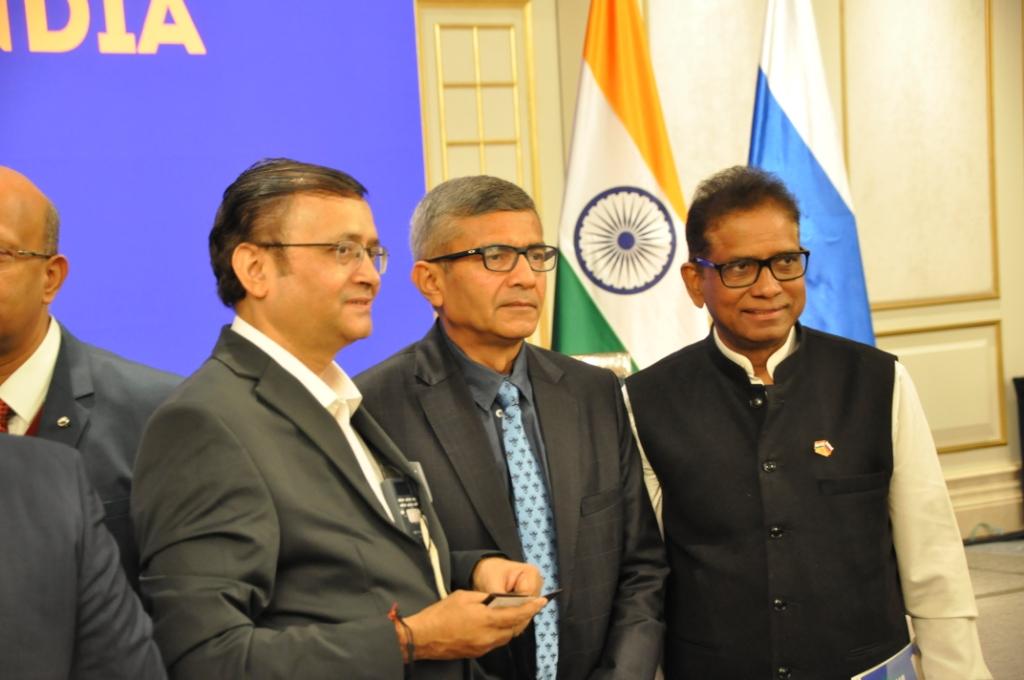
During the Moscow forum, presentations of investment opportunities in India and Russia were held, as well as business meetings and negotiations with the Indian entrepreneurs delegation. Issues related to the implementation of projects in the fields of tourism, development, pharmacology, mining, infrastructure construction, supply of machinery and equipment, and food products were discussed.