

How Agricultural Aggregators Could Bring Farm Products Closer To Customers
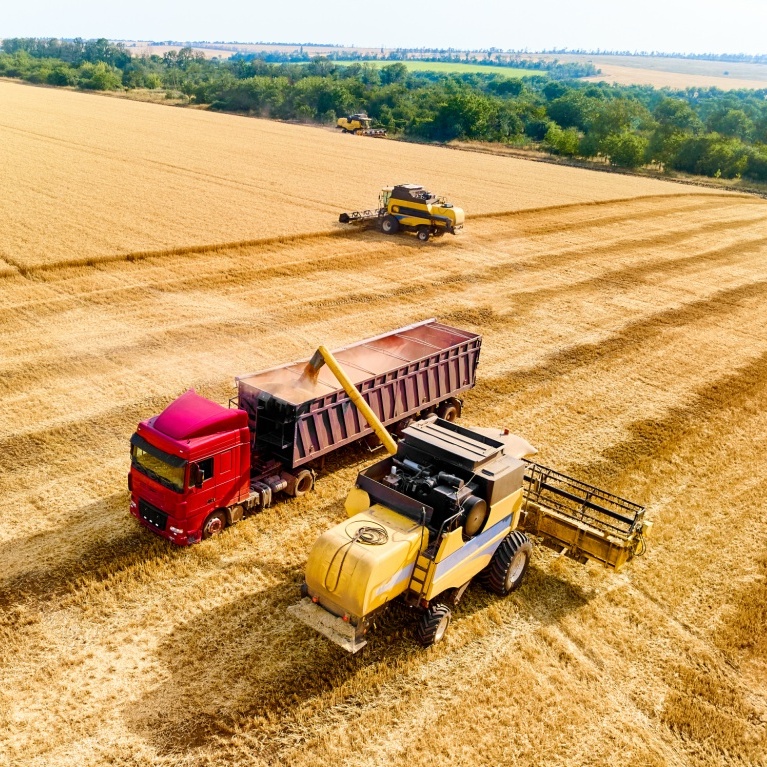
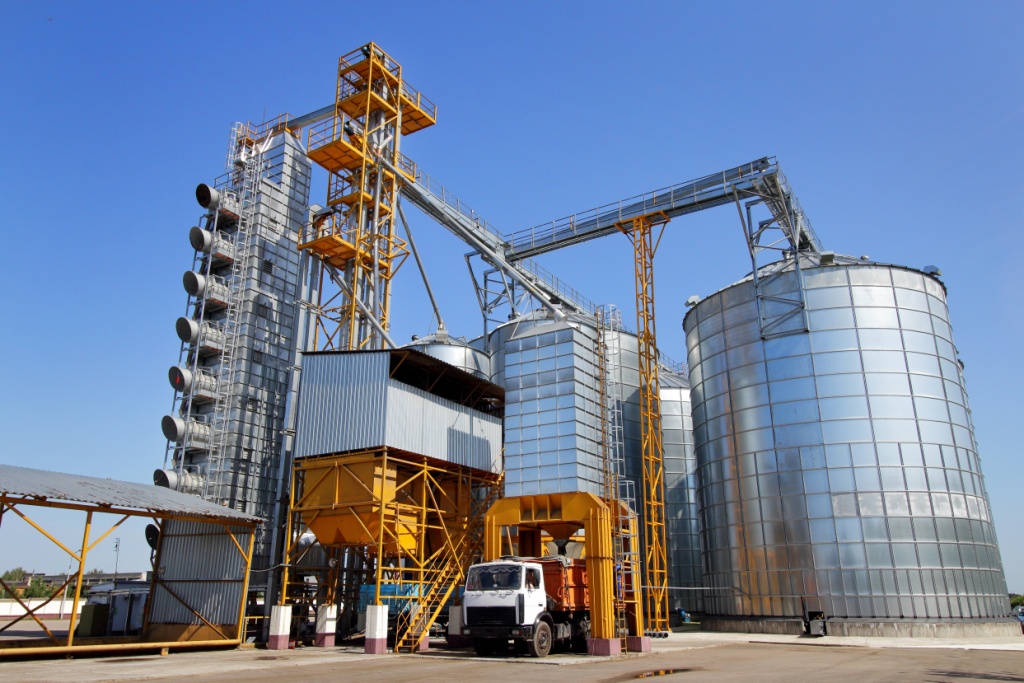
The State Duma has passed a law on produce aggregators. Amendments are to be made in the “Agriculture Development” law. A new term “agricultural aggregator” is introduced, and the new notion must be followed by new practices — organizations, operating storage, processing and delivery of produce to stores, including retail chains. This should help farmers expand sales and distribution of the fruits of their labor in cities, which are almost totally dominated by supermarket chains and major suppliers, but which have demand for farm products.
The law has been developed to provide government support to small agricultural goods producers, natural persons, running private subsidiary farms and operating under the special “Self-Employment Tax” regime, family-operated farms, agricultural consumer co-operatives. These persons shall be designated as farm product producers (agricultural products, including organic products and advanced food products), and also as primary and industrial processors. Farmers shall control at least 51% of shares of agricultural aggregator companies.

The law focuses on facilitating and developing sales and distribution infrastructure for farm products. Yet another task is to ensure progressive development of regional food product supply systems for the population. It is reported that the new law removes barriers to access of farm products to retail chains. A definition of “farm products” is introduced. This category will include agricultural products, produced exclusively by small businesses.
Regional authorities will be able to support farm product producers by facilitating product sales and distribution. Agricultural consumer co-operatives can count on priority government support. For instance, their products will be purchased for the needs of state-financed institutions, primarily for hospitals and schools.
Limited access of farm products to consumers is a long-standing issue. It is also an issue for consumers. In many cities consumers make low-level agreements with farmers on where and when farm products like meat, vegetables, fruit or root crops, dairy products or honey will be sold. And quality of food products, supplied under-the-table, could be questionable and these products may be not all that good for health. So, the fact of existing semi-legal sales only highlights the issue. Neither the Government, nor the whole State Duma deputy assembly believe that the issue could just go away on its own.
This is why a decision was made to try and build an agricultural aggregator system.
The EU countries resolve the issue of farmer access to the market via cooperation mechanisms. Private agricultural producers do not form any collective businesses of the Soviet kolkhoz type. They establish a new legal entity, focused on promotion of their products. These co-operatives execute their articles of association and put together an office. At the same time standards are developed for their agricultural products and farms choose their specific operations. As a result, a co-operative manages different types of products by groups of different producers (sometimes alternate), and not just a flow of diverse goods from each farm.
Now this is a large production operation of sorts, but involving various owners of its component parts. This is the way, for instance, how many Greek farmers operate. This form of cooperation turns out to be beneficial because it on the one hand takes into account the interests of owners and is essentially built upon these interests, and on the other hand it is guided by market demand. This demand is not so much about products, but about volume of product lots to be supplied. However, farmers have to know each other, and preferably live and work in the same area. Size of a country also matters. Psychology is yet another factor. Farmers have to be prepared to engage in commercial and production cooperation, created and supported by them.
Could Russian farmers do this? Isn’t our market’s territorial scope too big for this?
The Ministry of Agriculture of Russia has been promoting the idea of an agricultural aggregator law with consideration to multiple factors. First, the Ministry understands the current level of market monopolization in large Russian cities and the energetic efforts that retail chains take lobbying their interests with government authorities. Second, it was understood that retail chains have made it a rule to buy huge product lots, ensuring lower administrative and other efforts. Prices are lower, profits are higher. Third, the individual nature of farmer operations, large territories of the state and limited connections between a large number of farms were also taken into account. Fourth, there was the inflation issue and the need to bring it down, expanding the food market supply. Fifth, the consumption growth, registered in Russia over 2023-2024, was also factored in. The policy of military Keynesian economics, development of the processing industry and the drive for import substitution promise further demand growth.
The new law establishes tendering procedures and rules for organizations to execute contracts for performing farm product aggregator functions. Tenders will be run by regions of the RF. But agricultural consumer co-operatives get the right to make agreements with regions of the RF to perform farm product aggregator functions outside of tenders. Agricultural product buyers, hopefully, will come to an understanding with farmers, leading to re-registration of companies with the new status. Their new status will open access to new consumers, state-funded organizations.
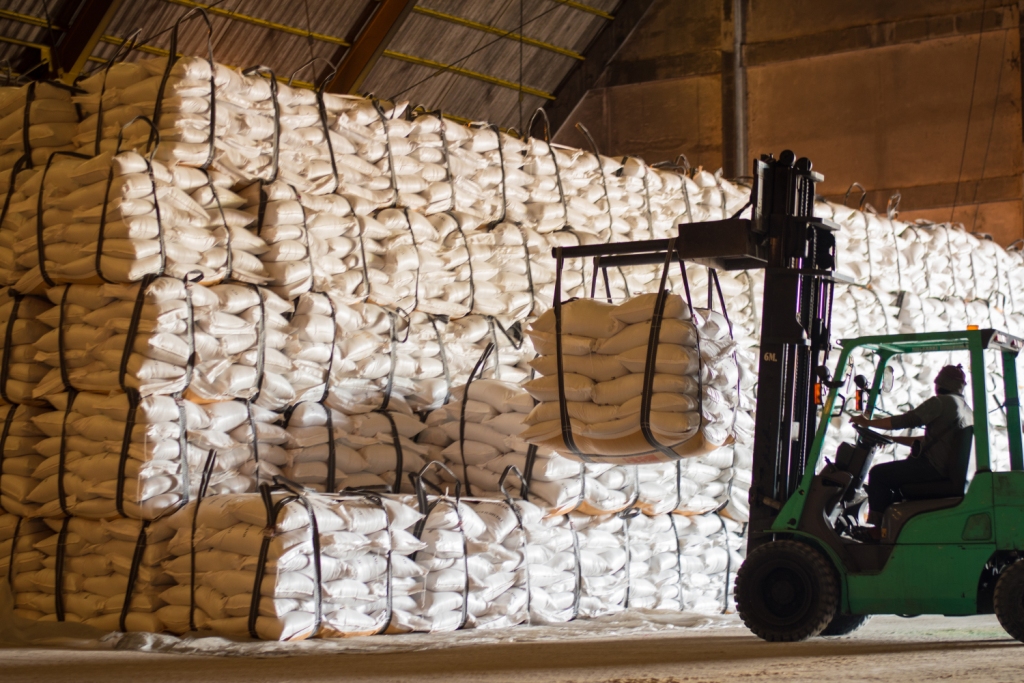
Agricultural aggregators will not only buy, sort, store, package and sell farm products in line with the law and retail regulations. They will have to be able to add value to products. This will result in having market players of new quality, operating based on a large number of small and medium producers. It is expected that this will help farm products break through to shelves of all federal retail chains. But it should be kept in mind, that just like under the cooperation, described in the case of Greek farmers, agricultural aggregators will strive to standardize their products and to foster efficient differentiation of labor with farmers.
Will it be profitable for farmers? Benefits for broad consumer circles are obvious. It is also obvious that state-funded organizations will spend their roubles to support farmers. Overall, simpler supply chains and increased supply volumes, according to expectations of the authors of the law and the Ministry of Agriculture officials, will create acceptable and beneficial working conditions for farmers with agricultural aggregators. It is also hoped that consumers will be happy with high-quality domestic produce at good prices.