

Head of the Russian Association of Fertilizer Producers Andrey Guryev: Russia has a key role to play in providing food for the planet’s growing population
- Mr. Guryev, the question of how to feed our planet’s growing population is becoming a matter of increasing urgency. How important are mineral fertilizers—especially Russian fertilizers—in ensuring global food security?
In a world that launches satellites into deep space, communicates via the Internet and generates electricity from nuclear power, there are, according to the UN, more than 700 million chronically hungry people. And over 2 billion more people worldwide are facing food insecurity.
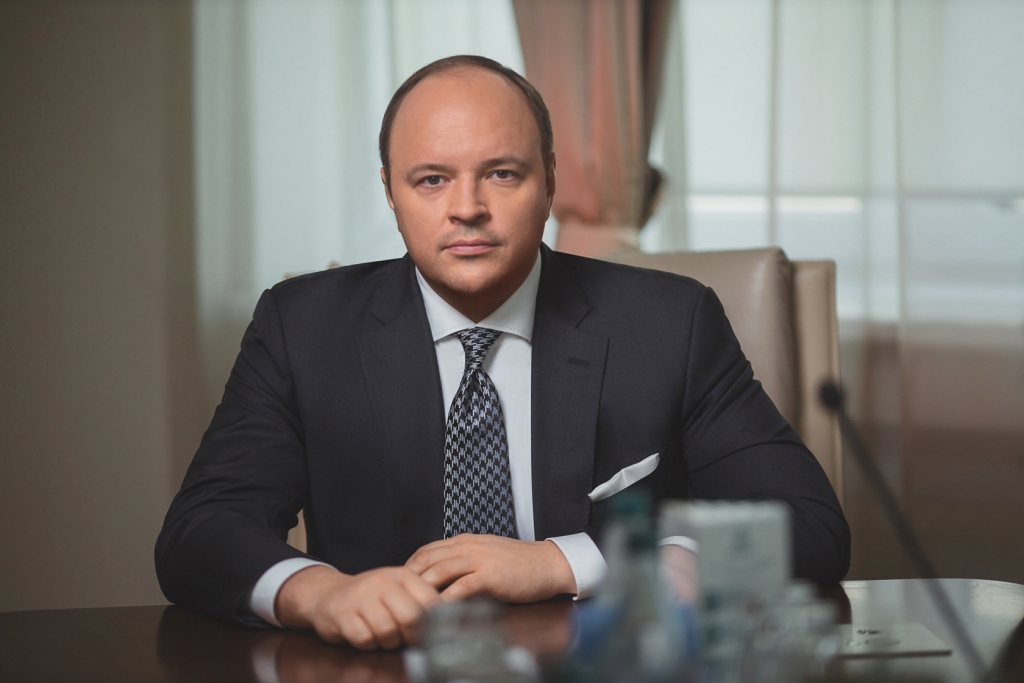
Andrey Guryev, President of the Russian Fertilizers Producers Association (RFPA)
That means that 3 billion out of the 8 billion people on our planet don’t have enough to eat. But we do have the resources to tackle this problem. The untapped potential of the agricultural sector is enormous, especially in the countries of the Global South, which account for 73% of the world’s agricultural land. These are the very same countries predominantly affected by the food crisis.
The solution to the problem largely depends on the successful use of mineral fertilizers. They are essential to the development of agribusiness, achieving higher yields and, ultimately, to solving the problem of hunger and malnutrition.
It is important to highlight the role that our country plays in ensuring global food security. With a share of 18%, Russia is the largest player in the global mineral fertilizer trade. Some 1.5 billion people around the world consume food grown with the help of Russian fertilizers.
- Why is Russia’s fertilizer industry able to occupy a dominant position in the global market?
Mineral fertilizer production in our country increased by 50% over 10 years, reaching 59 million tons in 2023. This rapid growth was the result of large-scale investments into the industry, exceeding RUB 1.8 trillion over 10 years. During this time, Russia accounted for more than a third of total growth in the global production of mineral fertilizers (amounting to 20 million tons). Today, our country ranks second in the world in the production of mineral fertilizers, surpassing the United States and India.
We are keeping the pace development steady. The industry is currently implementing investment projects worth RUB 1.7 trillion. In the next five years, fertilizer production in Russia may increase to 70 million tons provided that exports continue to increase and there is growth in the domestic market. Achieving this goal is the industry’s contribution to the implementation of the presidential decrees issued in May: the country is to increase non-commodity, non-energy exports by two-thirds and expand agricultural output by 25% by 2030.
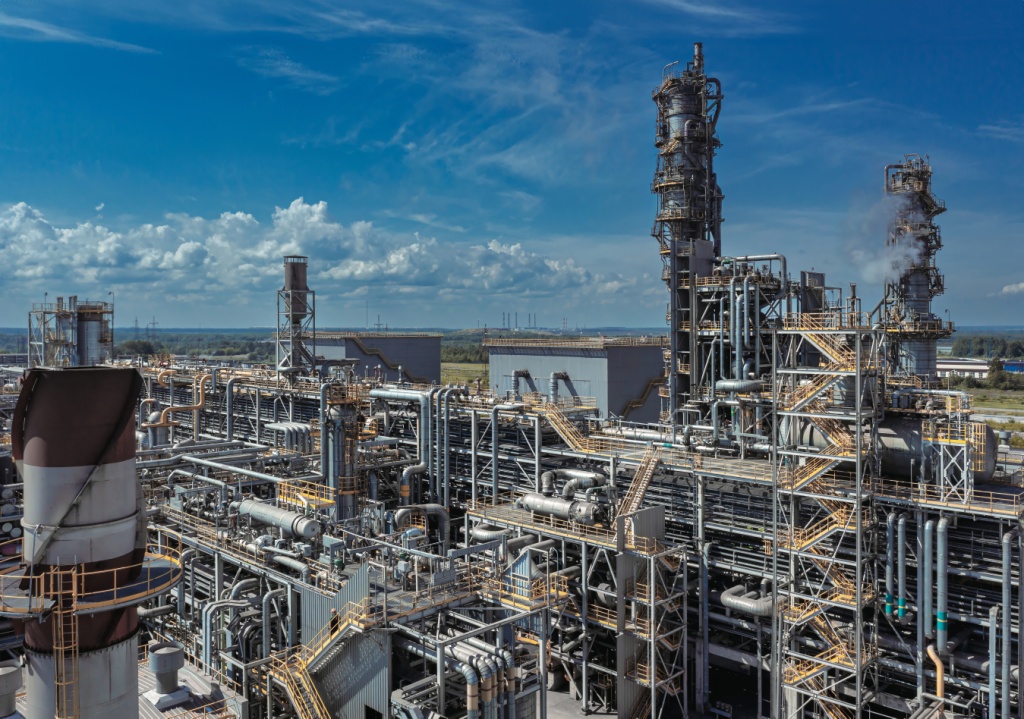
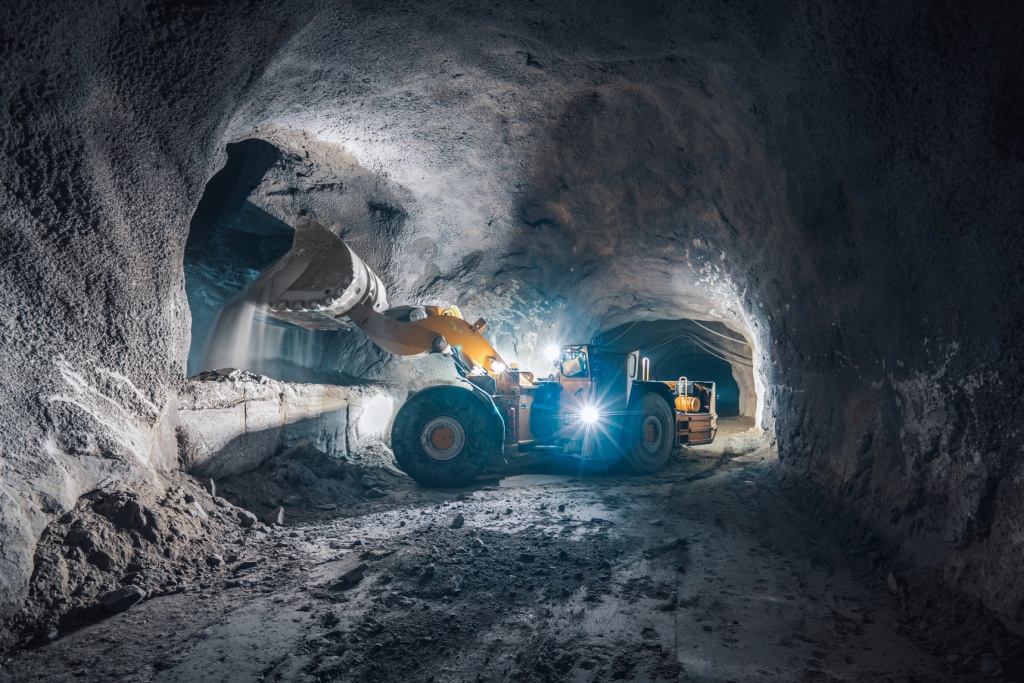
It is also important that industry leaders have built a successful vertically integrated production model. This was possible because Russia has the raw materials necessary for the production of all types of fertilizers: phosphate, nitrogen, potash and complex fertilizers. Moreover, these raw materials are unique in terms of their purity. The phosphates mined in Russia’s Arctic region are of igneous origin, which accounts for the exceptional environmental properties of the mineral fertilizers produced from them.
On the whole, Russia has the most stringent requirements in the world when it comes to fertilizer purity, with a limit on cadmium content of 20 mg per kg of P2O5. This is three times more stringent than in the EU, for example. Two-thirds of the world’s reserves of phosphorus raw materials and the fertilizers made from them fail to meet this high standard. Thus, we can safely say that Russian fertilizers are the key to soil health and to the safety of agricultural products.
- What kind of market positions do Russian fertilizer producers occupy in the countries of the Global South? Are exports growing?
Their positions are very strong.
Over the past year, Russia increased its fertilizer exports to the countries of the Global South by a quarter: from 23.5 million tons, in terms of gross weight, in 2022 up to 29.1 million tons in 2023. Russian products now account for 22% of all fertilizers used by local farmers.
The most significant increase in the supply of Russian fertilizers was noted in India: exports to India increased to 5.4 million tons in 2023, which was 1.5 times more than in 2022 and nearly 5 times more than in 2021.
In addition to India, we have seen an increase in exports of Russian fertilizers to Latin America and, above all, to Brazil—up almost 20% to a record 9.4 million tons. Africa is also a priority market: shipments to the continent doubled in five years, reaching 1.6 million tons last year.
In general, over the past two years, there has been a noticeable increase in exports of Russian fertilizers to friendly countries, and in 2023 these countries accounted for 78% of total exports (versus 69% in 2019).
Companies are constantly expanding their product range, offering customers in friendly countries fertilizers designed specifically for their climatic conditions and the crops they grow. For example, new brands of fertilizers were developed that minimize acidification; this is especially important in Africa and Southeast Asia, where the levels of soil acidity are high. Fertilizers with high dissolution rates have been developed, as have others in the form of liquid droplets that ensure the availability of nutrients in the absence of water, which is important in arid climates. And others have been developed with added calcium, magnesium, sulfur and trace elements—zinc and boron.
Exports in 2023 recovered to the record levels of 2021. I am confident that we will exceed those levels this year.
- At the same time, are there certain challenges when doing business in foreign markets in the context of sanctions and political pressure?
Political pressure continues, primarily in the form of self-sanctions. We’re talking about Canada, Northern and Eastern Europe, and the Baltic states.
In Europe, self-sanctions pile on top of the long-term decline in the use of mineral fertilizers. We have seen an overall downward trend in the use of mineral fertilizers for more than 20 years in this region (decreasing by 18% since 2000).
Experts have noted that the cumulative impact of this trend has become evident in Europe’s main crops over the past decade: not only is the production of wheat, barley, corn, sunflower, rapeseed, beets and potatoes falling, but so is the quality!
In addition, trade barriers for phosphate-based fertilizer imports persist in several countries, not only in the United States, where a variable countervailing duty is in place, but also in a number of friendly countries.
India, for example, has a 5% duty on the import of mineral fertilizers. Indian farmers will benefit from its abolition both in terms of price and in terms of the increased use of high-performance fertilizers that do not pose a risk of soil contamination and help grow agricultural products that are safe for human consumption. Efforts should be stepped up to conclude an agreement on the creation of a free-trade zone between the Eurasian Economic Union and India.
There are also duties and restrictions on mineral fertilizers in place in Turkey, Indonesia and a number of African countries. That’s why efforts to liberalize trade in agrochemicals with friendly countries are very important. The uninterrupted supply of mineral fertilizers will be Russia’s most important contribution to the food sovereignty and security of the Global South.
- To what degree is the success of Russian agribusiness driving the high demand for Russian mineral fertilizers in global markets?
The breakthrough in Russian agribusiness is really a very clear example of the fact that mineral fertilizers are an important factor in ensuring food sovereignty, and hence global food security.
Last year, Russian farmers purchased 80% more fertilizers than in 2018, and 2.5 times more than in 2013. At the same time, we are seeing a steady increase in harvests in Russia. Over the past 10 years, Russia has quadrupled its wheat exports (reaching 54 million tons in the most recent agricultural season), strengthening its leading position in the global food market. Last year, revenues from exports of agricultural products exceeded USD 45 billion for the first time, and exports of Russian agribusiness products have nearly doubled over the past five years.
All of this is the result of a sound government strategy to develop agribusiness. And increasing the use of fertilizers is a key component.
- Does the situation in the domestic market also remain stable this year? Do Russian farmers have enough fertilizers?
The domestic market is our constant strategic priority. We supply more fertilizers to the domestic market than to any other country on the planet.
The mineral fertilizer situation in Russia is stable, with no current shortages and none anticipated. According to Russia’s Agriculture Ministry, by mid-September Russian producers of mineral fertilizers had met 85% of the projected demand on the part of Russian agribusiness for all of 2024.
Despite unusual frosts and heat in several regions, the agricultural sector continues to grow, thanks in large part to the timely use of high-tech mineral fertilizers, which has mitigated the impact of these anomalies.
Purchases of mineral fertilizers are supported by the consistently favorable pricing environment in the domestic market. Producers of mineral fertilizers voluntarily set prices for mineral fertilizers three years ago.
We are also grateful to the Russian Government, the respective ministries and Russian Railways for their close attention to field work and prioritization of mineral fertilizer transportation. Overall, we have been successful in implementing a transport schedule that ensures steady supplies of fertilizers to regional markets, and we expect to maintain this order of priorities for the industry in the future.
- At the same time, companies in your industry are not only reliable partners in terms of providing farmers with mineral fertilizers for the sowing season, but they also play an active role in training personnel. Why is so much attention being paid to this aspect of the business these days?
In order to support the transition to a new form of high-tech agribusiness, we have to ensure that a high level of basic agricultural education is accessible to everyone on an equal basis, accelerate information exchange and improve the conditions for the integration of new technologies. We need an environment where every agronomist can get the right answers to their questions in just a couple of clicks and start cultivating new types of crops and using innovative fertilizers.
Here is an example of best practice in the industry: the Ministry of Agriculture, PhosAgro, the Timiryazev Academy and Innopraktika, a non-governmental development institution, have done a great deal of work to transpose PhosAgro’s experience in training engineers onto the agricultural sector. As of now, PhosAgro’s agricultural educational program encompasses 47 universities, and over 420 digital video lectures have been developed for students. The facilities and equipment for the program are provided by a network of 21 PhosAgro educational centers, with the flagship center at the Timiryazev Academy. Last year, PhosAgro and Russia’s Agriculture Ministry expanded their cooperation by launching the online platform ProAgro Lectorium, where students are able to access the accumulated knowledge of experts, scientists and top managers of agricultural companies free of charge on their computer, tablet or phone.
Progress in all these areas is possible only through partnerships involving academia, the private sector and the state. It’s encouraging to see that leaders in the fertilizer industry maintain excellent relationships with the Ministry of Agriculture, the Ministry of Industry and Trade, the Russian Academy of Sciences and Innopraktika.