

Gold Rush
Apart from economic benefits of stronger gold reserves, with visible gold price growth, re-focusing of external partners on the precious metal may be yet another positive signal for our country, helping avoid sanction hurdles in international transactions.
Over 2024 gold prices have beaten all-time highs several times. Today an ounce of the precious metal goes for about $2300-2400. Just this mid-spring the price fluctuated around $2150.
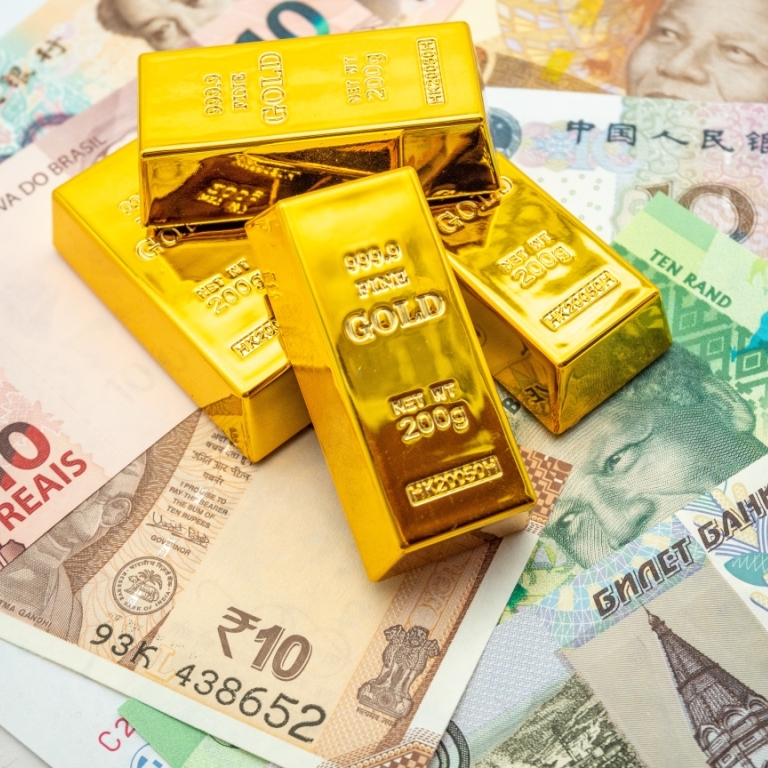
An ounce is a little over 31grams, or five or six ten-rouble coins. At first glance it’s just pocket change, but this change could come in handy every now and then. An ounce of gold is an indispensable financial instrument, especially at state level. Its value is understood perfectly well by monetary authorities of many countries, constantly increasing their gold reserves.
The examples are all around us: according to World Gold Council estimates, since the start of the year global central banks were adding more than 15 tons to their gold reserves every month. The top buyers are Turkey, India and China. Russia is not sitting idle too, our country has purchased less than its competitors, but this still keeps the national Central Bank at the top of the elite commodity trading sector.
Where does the rising appeal for the precious metal for financial institutions come from? Experts propose multiple versions of the current excitement. As a rule, gold prices rise the most during geopolitical tension periods, tangible economic failures and other act of God situations. One could recall February 2022, when after the start of the armed conflict in Ukraine gold prices soared by 15%. A similar picture was observed in October 2023 – following the escalation in the Middle East the price of the metal rose by 10%.
“These processes clearly evidenced market layout patterns and confirmed the safe haven asset status of gold, - explained Sergei Suverov, investment strategist of MC Aricapital, assistant professor at the Financial University under the Government of the Russian Federation. – Unlike energy resources, where demand is driven by industrial activities of importers, the purchasing power of gold never goes down with time. Authorities buy the precious metal to hedge financial reserves and streamline portfolio holding structure”.
According to the analyst, such investment options as dollars and euros are no longer considered the most reliable types of capital. By the results of 2023 the share of gold in reserves of central banks of the world surpassed the share of the European currency. Generally, over the last decade the precious metal reserves have become a staple in state coffers, doubling up to 20%. The dollar share has slid from 60% in 2000 down to 48% in 2023.
China is the key trend setter when it comes to moving away from traditional savings, as of the end of 2023 the country’s investments into the US debt plunged to the lowest level over the decade— down to $770 bn, though in January 2022 the People’s Bank of the PRC held over a trillion dollars in the US treasuries.
Yet another reason for higher gold demand is the shortage of the metal at the commodity markets: last year its global production increased by only 1%, when the demand had grown by 3%. For now, the imbalance is smoothed over by sales of other market players – for example, by Uzbekistan, but its reserves are not limitless.
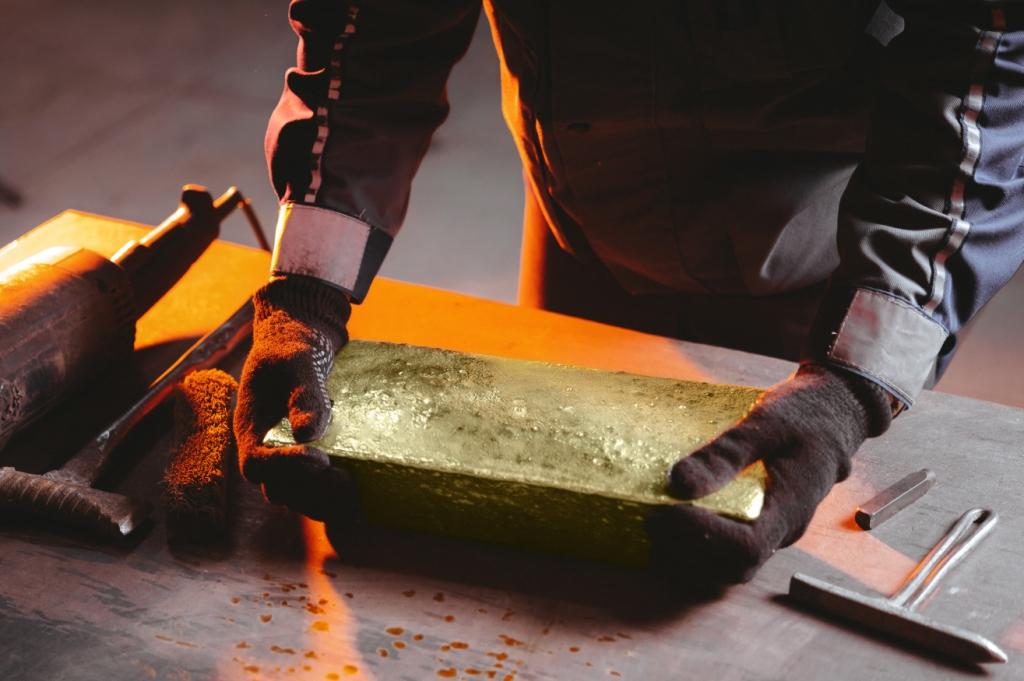
The negative trend will hardly change over the next few years. From the end of 2010s the global gold mining sector has been facing multiple issues: growing production costs have been followed by dwindling reserves and reduced investments, since business owners preferred dividend payouts and put mining asset maintenance on the backburner. Over the latest decade budgets for geological prospecting activities have plunged by two times. Commercial reserves have gone down and their quality has degraded. In QIV of the last year Barrick Gold and Newmont, two major gold mining holdings announced of a drastic growth of total mine maintenance costs by 4-9%. Since 2020, this figure has gone up by 30%.
“The current conditions display a further price growth trend, – Suverov said to BM. Moscow Foresight. – Our country is trying to keep up with other “gold rush” players. This April the Bank of Russia increased its gold reserves by three tons – up to 2,34 thousand tons, which is the all-time high figure”. The share of the metal in international reserves has for the first time reached 29,42%, growing by more than one percent in over a month. The price of gold in April climbed by 5,6% up to $176 billion, meaning that investments were starting to pay off. Our country is also competitive by the volume of available deposits: China’s gold deposits are comparable to ours, and India’s reserves amount just to 822 tons.
Russia has every chance to use the market turmoil to its advantage and to directly participate in international trade activities on the back of its impressive resource base. Our country has not published any gold production statistics since 2022. A year before that, according to estimates of the Russian Gold Producers' Union, production of the precious metal amounted to 330 tons, and the total output, including scrap gold, exceeded 360 tons, which turned out to be about 8-10% more than in China.
In the meantime, observers assume that it is easy to see a different symbolic and even revolutionary implication in the desire of investors to put their money into gold. As already mentioned, a few countries are reviewing their dependence on the dollar equivalent in their coffers. This fact is confirmed not only by domestic specialists, but by foreign officials as well.
“The demand for gold has grown because the precious metal is viewed as a “politically neutral safe haven asset, which can be protected from sanctions and confiscations,” – as Gita Gopinath, Deputy Managing Director of the International Monetary Fund, said in late spring. According to her, the seizure of Russian sovereign assets had undermined trust in the dollar, this is why states are reducing their US dollar cash holdings “in international transactions and national reserves”.
“Washington is much too often using its national currency for strengthening sanctions and as a political weapon,” – says Vladislav Antonov, BitRiver financial analyst. – But, as a popular saying goes, “the one who hinders us will be the one who helps us”. Gold could become a convenient and “non-toxic” way to continue with Russia’s foreign trade. Even the Americans won’t be able to ban gold trades. A transition to the precious metal in foreign settlements could be a psychologically significant symptom for our country, because it could be a step towards a return of the gold standard, when liabilities were supported not by paper money and virtual bank accounts, but by a solid product with thousand years of reputation behind it”.
Roman Nikolayev