

Adlan Margoev: Iran's Economy Weathered All Shocks, Thanks to Russia
Why is the Shahid Rajaee port considered a key transport hub for Iran?
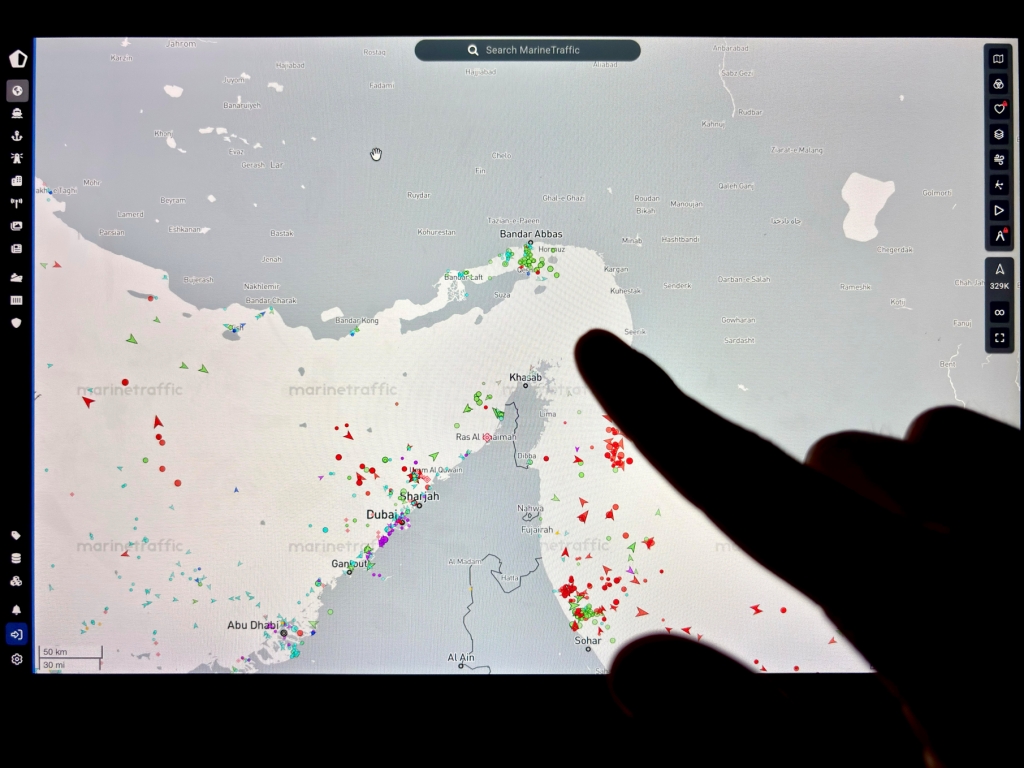
This is due to Shahid Rajaee’s geographical location: the port is situated on the shores of the Strait of Hormuz, adjacent to the Persian Gulf and the Gulf of Oman. It handles roughly half of Iran's total trade turnover, including grain, petroleum products, steel, nitrogen fertilizers, industrial equipment, and consumer goods.
Iran's primary naval base is located close to the port in Bandar Abbas, securing Tehran's control over the Strait of Hormuz. The Pentagon, of course, knew exactly where to strike.
If Western media reports are to be believed, pinpoint bomb attacks have destroyed bridges and the railway leading from the city into the interior of the country. Around 500,000 local residents have been left isolated.
The Wall Street Journal reported that President Trump, following consultations with his advisors, has begun leaning toward expanding military operations against Iran. These include launching strikes against Iran's main energy facilities.
So it is entirely possible that US Air Force pilots will be ordered to destroy, among other targets, the Bushehr Nuclear Power Plant, which Iran is constructing with the help of Russian specialists?
It is worth reminding that during February and March 2026 alone, American aircraft attacked the operational nuclear power plant in Bushehr four times! During one of these raids, an Iranian plant security employee was killed. None of the Russians were harmed. Meanwhile, Moscow has repeatedly reminded the Americans through various channels that international law prohibits attacking operational and under-construction nuclear facilities.
One must also take into account the fact that, in addition to the second and third power units currently under construction, the first power unit of the Bushehr NPP continues to operate uninterrupted and provide energy for the entire country. It will be difficult for the Americans to lodge grievances against this plant, as Iran has always allowed IAEA specialists unimpeded access to the facility. As for Russia's presence in Bushehr, our country strictly fulfills its obligations regarding nuclear non-proliferation.
Following the resumption of American bombings, it seems our specialists working on the construction of the second phase of the Bushehr NPP won't be returning to Iran anytime soon?
Back in early July, following the ceasefire, six Rosatom specialists headed to the Iranian nuclear power plant, announced the head of the state corporation, Alexey Likhachev, following interagency consultations between Russia and the IAEA. Due to new strikes near the nuclear facility, they have temporarily stopped in Tehran until a decision is made in Moscow regarding the extension of their business trip. In any case, Russia always prioritizes the safety of its people, while simultaneously striving to conduct operations at the nuclear power plant as uninterruptedly as possible.
How did the economy of the Islamic Republic feel in the first half of 2026?
As a reminder, the Islamic Revolution took place in Iran in 1979. Soon after, rumors emerged suggesting that the deposed Shah, Mohammad Reza Pahlavi, who had fled the country, might receive political asylum in the United States. In response, a group of radical students seized the US Embassy in Tehran, taking 52 diplomats hostage. The United States reacted instantly by freezing all Iranian assets and gold reserves in its banks. The international community was ordered not to buy Iranian oil and not to sell aircraft or spare parts for them.
Furthermore, Iran has been disconnected from the SWIFT international interbank payment system, and the assets of the Central Bank of Iran and its major banks abroad have been frozen. Iran’s access to export revenues is hindered, which has created a chronic shortage of hard currency inside the country.
The European Union first applied restrictions against Iran in February 2007. This was an embargo on the export of materials, equipment, and technologies from EU countries that could be used to develop nuclear weapons and their delivery systems. Subsequently, the sanctions affected the energy, transport, and banking sectors of the Islamic Republic's economy. In particular, a ban was introduced on investments in the country's nuclear energy sector. The sanctions imposed on Iran remain in effect today.
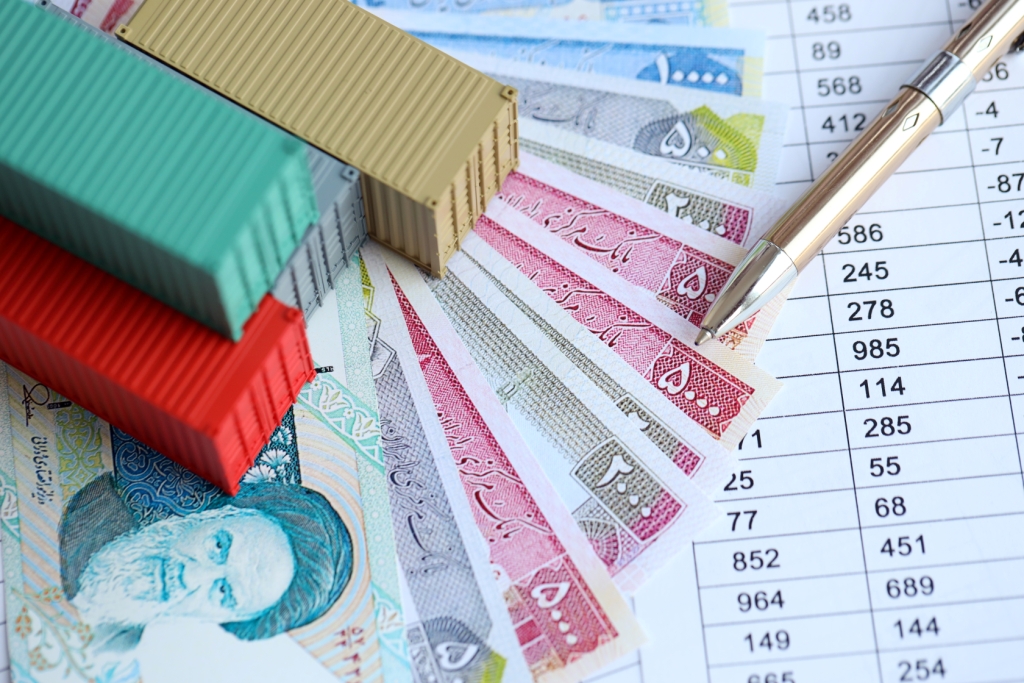
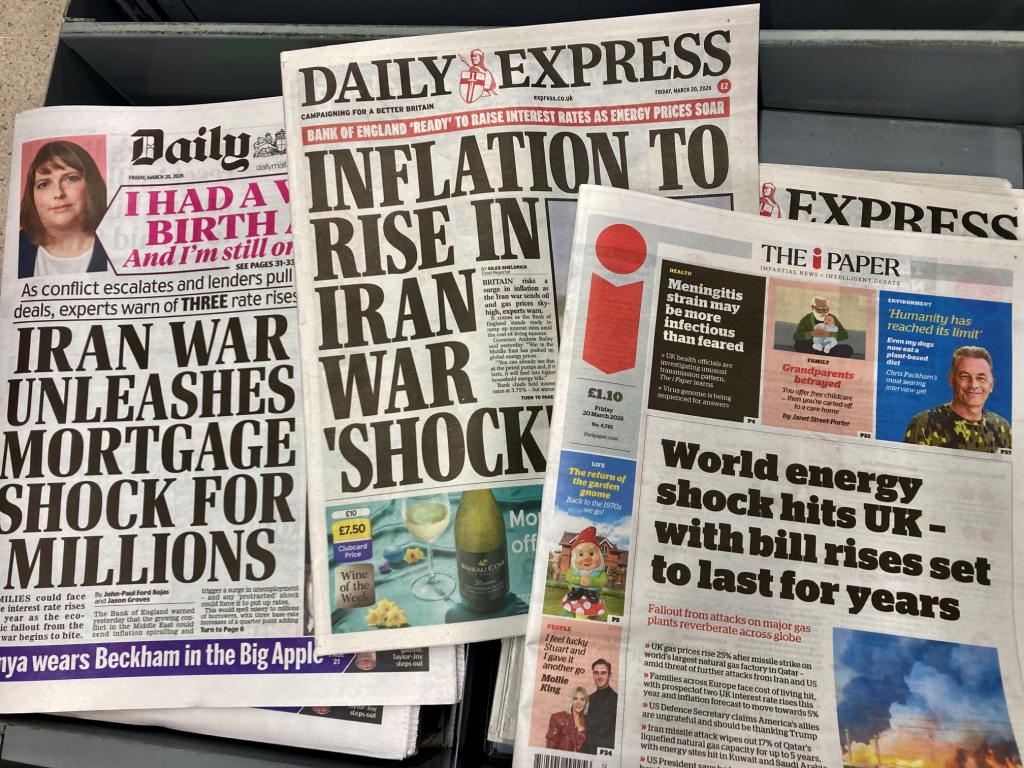
In the current year, the country faced an economic downturn, skyrocketing inflation, and a currency crisis. All these difficulties were only exacerbated by airstrikes on Iran's civilian and industrial infrastructure, as well as a naval blockade of Iranian ports by the United States.
According to the IMF forecast, by the end of 2026, inflation in the Islamic Republic could reach 68.9%, and the GDP could contract by 6.1%. Given that the US and Iran have announced the termination of the peace agreement and resumed hostilities against each other, the situation in the Iranian economy in the second half of 2026 may only worsen.
On the other hand, the economy of 90-million-strong Iran has learned to function even in high-stress situations. It has withstood military and political shocks and did not collapse as a result of bombings, as happened, for instance, in Syria after the fall of Bashar al-Assad's regime. This is not because the ayatollahs rule Iran with an iron fist, but because a centuries-old mechanism for aligning the interests of the population and various groups within the local elite continues to operate in the Islamic Republic. Be that as it may, this system has proven to be more resilient than strategists in the West and Israel anticipated.
What is the current state of trade and economic relations between Russia and Iran?
Based on the results of 2025, the trade volume between our countries amounted to $4 billion 900 million per year. Iran exports mainly agricultural products to Russia, primarily fruits, vegetables, dairy products, and flowers. In recent years, Russians have seen a growing assortment of these Iranian products on Russian store shelves.
Iran is highly interested in the Russian market for selling its petrochemicals and polymers. Recently, Iranian products for the end consumer have also appeared in Russia – namely, various types of specialized paints, glue (including PVA), special resins, and various polymer products such as plastic tableware, containers, polypropylene bags, and packaging film.
According to Alexey Efimov, the Russian Trade Representative in Tehran, the foundation of Russian exports to Iran last year consisted of grain crops (wheat, corn, barley), sunflower oil, metallurgical products (semi-finished steel products, rolled steel), timber, pulp and paper products, as well as equipment and components for the energy, petrochemical, and transport infrastructure sectors.
It is also known from open sources that Russia is increasing its supplies of machinery and electrical engineering products to Iran. However, these are still minimal figures, which are influenced, on one hand, by international sanctions, and on the other, by the unpredictable military and political situation in the Persian Gulf region. Naturally, from a business environment perspective, it is much easier to build cooperation with non-warring nations. Yet everyone can see that the United States and Israel are not letting Iran live in peace, targeting the country's most economically vital industrial and civilian facilities with missile strikes and bombings roughly every six months.
Those foreign companies that have been working with the Islamic Republic for a long time continue to trade with Iran regardless of the political and military climate, delivering cargo across the Caspian Sea and onward by road transport. The Iranians themselves call the "Western route" of the International North–South Transport Corridor (INSTC) a lifeline for the Iranian economy.
In July 2026, the heads of the railway agencies of Russia, Azerbaijan, and Iran signed a trilateral protocol in Moscow regarding the Western route of the International North–South Transport Corridor (INSTC) passing through Dagestan, recording a 50% increase in cargo traffic.
The Western route runs along the Russia – Azerbaijan – Iran – Persian Gulf – India alignment. Its primary transport hubs include Astrakhan and Makhachkala (Russia), Baku (Azerbaijan), as well as Rasht and Bandar Abbas (Iran). The route utilizes various modes of transport, including maritime, road, rail, and multimodal shipping.
Consequently, logistics have taken on a particular significance for the Iranians amid the war, given that the main military operations are taking place in Tehran itself and south of the Iranian capital. Furthermore, all southern port infrastructure has remained at risk over recent months. Now, the International North–South Transport Corridor provides Iran with its only remaining opportunity to transport essential goods relatively safely.
However, it is known that the Iranian authorities promised to complete the Rasht–Astara railway line, which is set to become part of the North–South corridor, by March 2026. Yet progress has stalled …
In Iran, a direct seamless railway is lacking only on the western section. On the eastern section, it has already been operational for about 12 years. In any case, test cargo shipments have been conducted through Turkmenistan and Kazakhstan. The issue is that this is also a rather complex procedure because the difference in track gauges requires changing the wheelsets, and outdated technology currently prevents this from being done quickly.
Therefore, road transport still remains the most convenient and cheapest mode of logistics in Iran. Furthermore, fuel in Iran is cheap, as it is subsidized by the government in Tehran.
Adlan, apart from Bushehr, are Russia and Iran developing any other major joint projects?
As the saying goes, money likes silence. This is likely why businesses from both countries prefer not to speak publicly about, say, the joint development of oil and gas fields in Iran. Nevertheless, cooperation between the two nations is actively expanding in this sector as well.
Just a few days ago, it was revealed that Moscow and Tehran are close to signing a final gas trade agreement. Last year, the sides discussed a project to build a gas pipeline to Iran via Azerbaijan, which could eventually supply 55 billion cubic meters of Russian gas per year.
The Russian side is also attempting to export its technological innovations to Iran. For instance, it is known that the Russian company "Technologies" offered the Iranians its information security solutions, and the first contracts have already been signed. However, once again, until company executives make an official announcement, we cannot state precisely what the financial metrics and prospects of this cooperation look like, or whether they have actually managed to recoup the significant costs of entering the Iranian market.
At one point, "Kaspersky Lab" also launched operations in Iran. Later, reports emerged that the Iranians had revoked the certification of this Russian IT company. This occurred after the "summer war" last year. However, by all accounts, Kaspersky Lab continues to operate in Iran through third countries.
Where do things stand regarding Russian investments in the Iranian economy?
Over the past three years or so, Tehran has been claiming that Russia ranks first among foreign nations in terms of annual investment volume. According to official Iranian statistics, this figure approaches $3 billion. However, it remains unclear whether this refers to Russian investments that have already been deployed or if, for instance, the Iranians are factoring in contractual agreements and memorandums that have been signed but not yet implemented. Given this caveat, we cannot accurately judge the actual volume of Russian investments in the economy of the Islamic Republic of Iran.
I wonder which investor ranks next in Iran after Russia?
Afghanistan is next. It is likely that the Taliban also possess certain capital that they have decided to invest in the economy of neighboring Iran.
Can Iranian companies invest anything in Russia?
Last year, the Iranian company Nasim Bahr Kish, which controls a majority stake in the Port of Astrakhan, offered to buy out the remaining owners' shares. According to the Iranians, this will allow them to consolidate 100% of the shares of this logistics hub within the International North-South Transport Corridor (INSTC).
Today, Bank Melli Iran is highly active, operating a Russian subsidiary that largely services direct transactions between our businesses. In fact, the rouble is converted through this bank.
The Iranians have a distinct interest in certain production facilities in Russia. Unfortunately, details regarding which specific assets have been purchased and by which Iranian entities remain unavailable.
Is it true that mutual settlements between the trade organizations of Iran and Russia are conducted in national currencies to the tune of 95%?
If we are talking about national currencies, it is most likely the rouble rather than the rial. After all, the rial depreciates by roughly half every year. For this reason, Iranian counterparties themselves strive to conduct transactions in foreign currencies.
How have the two capitals, Moscow and Tehran, interacted in recent years?
I frequently visit Tehran on business, and every time I am there, I hear Russian spoken on the city streets, at various forums, and everywhere else. Politicians, entrepreneurs, and scientists of all kinds visit the Iranian capital! Last year, I took part in Iran’s main Expo Forum. Over 70 business community representatives arrived from various regions of Russia.
Tehran remains a sister city to 24 cities worldwide, including Moscow. The protocol on friendly relations with the Russian capital was signed back in 1995, and the Memorandum on establishing partner ties was concluded in 2004. Yet the dialogue between Moscow and Tehran continues to this day.
Today, the population of Moscow exceeds 13 million people, while over 10 million live in Tehran. The two megacities share similar economic and social challenges. Nevertheless, despite sanctions and the complex political situation in the Middle East, our cities have managed to establish close cooperation in many fields, including urban planning, social security, transport, and cultural heritage preservation.
In 2025, trade volume between Moscow and Tehran reached $5.8 billion, representing a 21% increase over the previous year.
"Ties between Moscow and Tehran are not only beneficial in themselves; they serve to strengthen cooperation between our countries and improve the international climate," stated Moscow Mayor Sergey Sobyanin. And one cannot help but agree with him.
Daniil Deyev.