

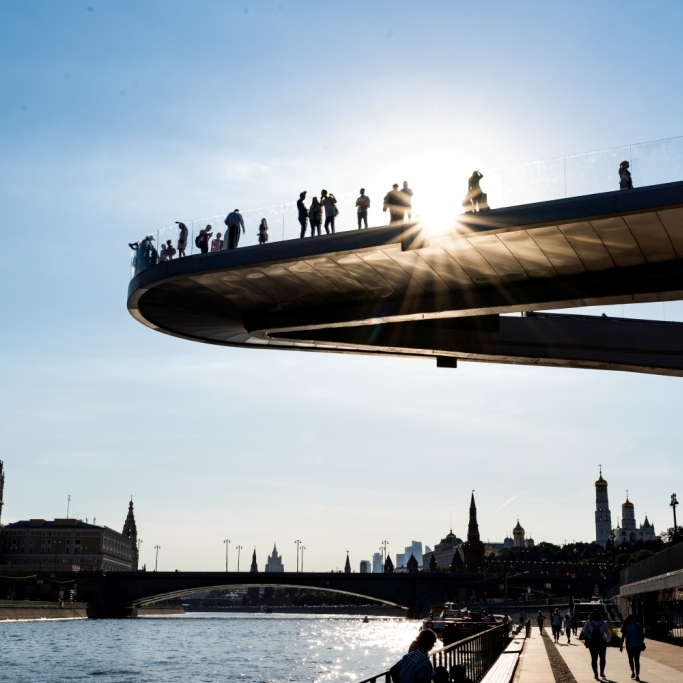
Moscow Sets Records: 2.8 Million Visitors from 188 Countries
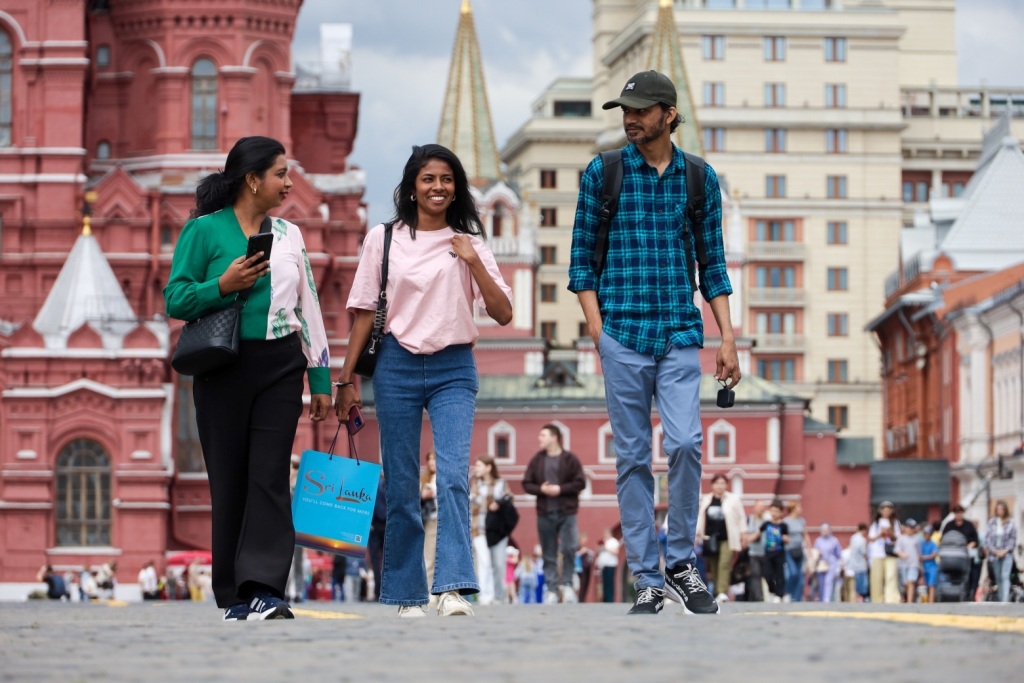
According to a survey, for 60% of tourists, Moscow was a conscious choice and the primary destination of their trip. The main arguments for this choice were interesting sights and activities, which have allowed Moscow to occupy a niche as a unique travel destination, as well as comfort and safety.
The growing interest in Moscow is particularly noticeable among tourists from the Middle East. Over the past four years, the number of trips to the Russian capital from countries in this region has increased nearly 2.5 times.
Last summer, nine out of ten Middle Eastern tourists visited Moscow for the first time.
The interest in family travel is particularly noticeable—among tourists from Saudi Arabia, for instance, 44% of guests arrived with children. Most often, parents travel with children older than 6, though trips with infants are also not uncommon.
Making a pleasant first impression on tourists from the Middle East is no easy task. Residents of these countries travel extensively and have seen a great deal. Nevertheless, according to surveys, every second visitor from the region rated their stay in Moscow this summer a nine out of ten.
What attracts these sophisticated tourists to Moscow?
A City Comfortable for Everyone
The rapid growth of Moscow's tourist appeal is driven by a number of factors. It is difficult to say which of them plays the most important role today. Most likely, it is a synergistic effect of all the components driving this growth.
However, certain aspects of Moscow's tourism sector should still be highlighted to better understand the ongoing trends.
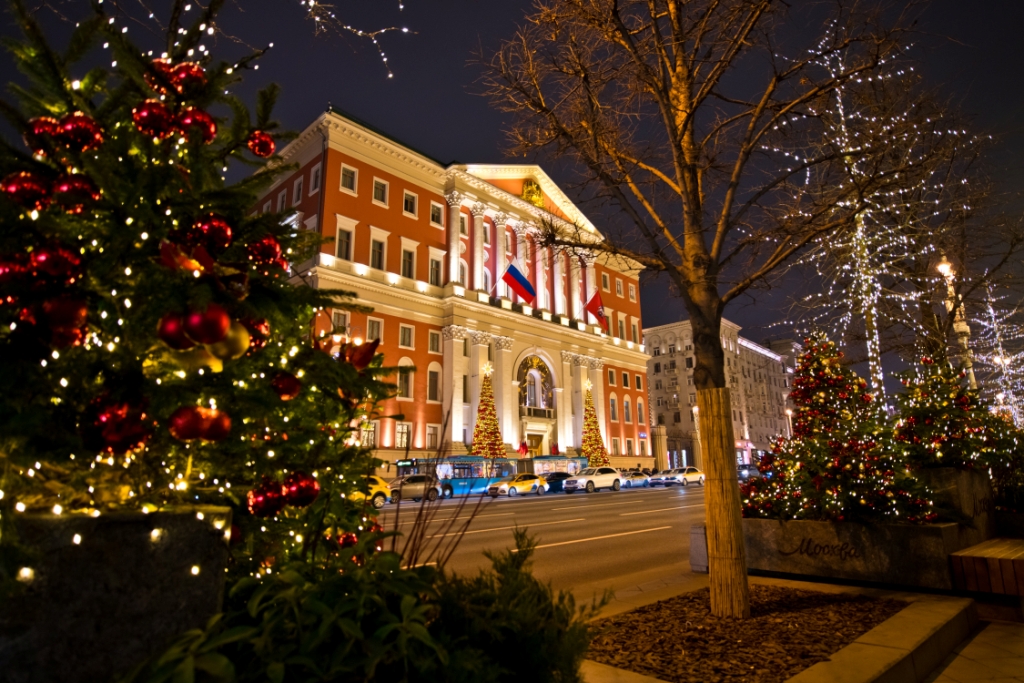
First and foremost, Moscow is a well-developed and beautifully maintained city. Local authorities are implementing a large-scale urban development program. As a result, the city has become comfortable and convenient not only for its residents but also for its visitors.
The development of the modern Moscow urban environment is based on the principles of decentralization, digitalization, and polycentricity.
The city has shifted from the spot improvement of its "historical center" to creating a comprehensive, high-tech, and autonomous ecosystem across all districts.
More than 70% of all urban renewal projects are implemented outside the city center.
In 2025, over 3,700 sites were renovated, including nearly 2,500 courtyards. This year, more than 3,500 additional sites will be modernized across the city. This includes comprehensive work on 570 streets, including major thoroughfares, the renovation of seven embankments, and the improvement of 11 park zones. Improved and safe parks, squares, and embankments now cover about half of the megalopolis's total area.
High-speed free internet is available anywhere in the city.
Safety Everywhere
Another important aspect of the tourism business is a high level of safety. This particular feature of Moscow is noted by all its guests. Here, you can walk at any time of the day or night and in any location.
For instance, the Moscow security system includes more than 270,000 video cameras. There are over 70 different surveillance cameras per square kilometer of the city's area.
All video streams are transmitted to the Unified Data Storage Center, where devices operate with facial recognition systems and video analytics. Immediate action is taken in any emergency situation, and quite often, their occurrence is simply prevented.
Moscow has solidified its status as one of the world leaders in integrating artificial intelligence and robotics into urban processes. Experts describe the current stage of development as a transition toward an "autonomous city system".
The city's digital twin and sensor networks analyze the state of infrastructure, manage traffic, optimize public utility operations, monitor autonomous vehicles, and ensure public safety.
A unified, intuitive, and highly technological public transport system lowers logistical barriers, allowing tourists to reach any location with ease.
The ongoing transformations have enabled Moscow to secure its top position in the National Quality of Life Rating once again this year. Achieving this was no easy feat, as the rating evaluates Russian cities across more than 140 individual indicators.
Interesting at every moment
"In Moscow tourism, the concept of seasonality has practically disappeared," says Sergey Romashkin, Vice President of the Association of Tour Operators of Russia. "The distribution between seasons is almost equal. This was achieved thanks to Moscow's transition to the concept of a continuous event calendar".
Every year, the metropolis hosts about 150,000 cultural, entertainment, sports, and business events. More than 400 events daily: concerts, exhibitions, lectures, performances, colorful festivals and shows, and masterclasses.
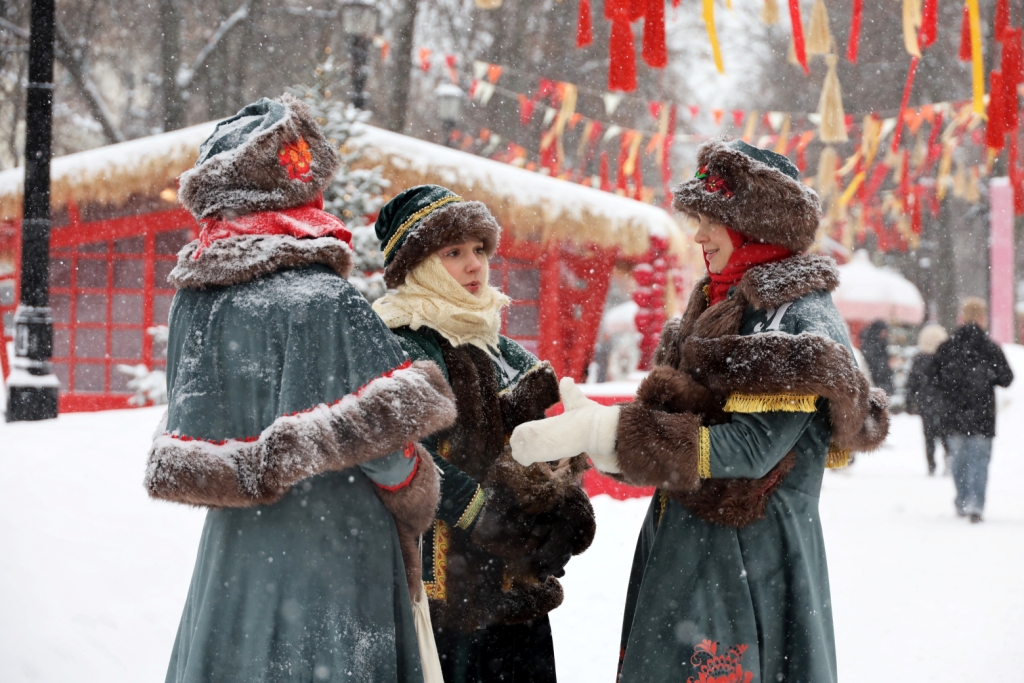
Urban festivals like "Summer in Moscow" and "Winter in Moscow" can last continuously for up to 100 days. Under a single brand, these events bring together thousands of sports, gastronomic, cultural, and creative venues across the entire city.
For instance, "Summer in Moscow" connects over 400 venues. They host around 86,000 events, drawing constant public interest. This year, the festival attracted nearly 64 million visitors.
If you calculate the annual attendance for all Moscow events, the total number of participants exceeds 340 million people.
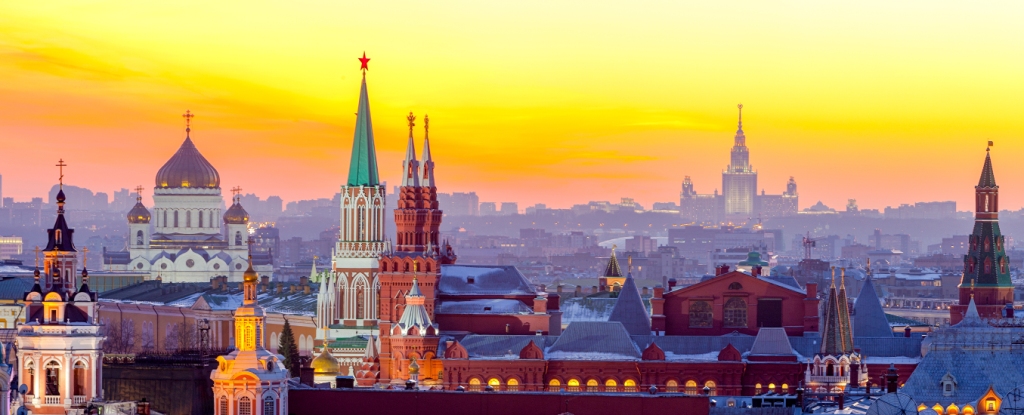
Events drawing high levels of interest are organized at both well-known cultural and historical venues in Moscow and brand-new ones. Among the famous heritage sites are Red Square, Moscow estates, museums, the restored VDNKh, and the Tretyakov Gallery. Among the new landmarks are the Moskino Cinema Park, the cable cars at Vorobyovy Gory and VDNKh, the Zaryadye Park Cultural and Enlightenment Center, the GES-2 House of Culture, and others.
According to tourism platforms, the city boasts about 2,480 architectural and historical landmarks, over 1,080 cultural sites, around 900 monuments and statues, more than 560 museums and galleries, and over 170 parks and estates.
"Moscow increases the number of its tourist-attractive locations every year. A colossal tourism industry has taken shape in the city," says Sergey Romashkin, Vice President of the Association of Tour Operators of Russia, "turning it into a nation-wide tourist hub".
Ask the AI
Navigating through all this diversity in Moscow is easy. The city ranks first in Russia and second in the world in terms of digitalization and smart urban environment development.
Today, tourists can plan their city itinerary online in just a few minutes, book museum or theater tickets, reserve a hotel, book a restaurant table, or arrange a guided tour.
For instance, the "Discover Moscow" (Uznay Moskvu) web portal has been operating in the city since 2013. It is a free online city guide that features photographs and descriptions of thousands of architectural monuments and historical sites, as well as walking routes, audio tours, and biographies of famous people.
Last summer alone, the portal was used 1.2 million times, and it has reached 32 million visits since its launch in 2013.
The portal also allows users to take virtual tours of historical buildings. For example, you can take a look inside the house of the great Russian architect Fyodor Schechtel, the mansion of the merchant Zinaida Morozova, or the Narkomfin Building, a landmark of Soviet avant-garde and Constructivist architecture.
This online travel guide also functions as a mobile application. One of its unique features is augmented reality (AR) technology, which allows users to view historical buildings that have not survived to the present day. Among them are the Red Gate, the Sukharev Tower, the Palace of Catherine II in the Kolomenskoye Museum-Reserve, and the Large Cavalier Building in the Tsaritsyno Estate.
“Moscow is strengthening its position as one of the world's key tourist hubs,” says Dmitry Orlov, Director General of the Agency for Political and Economic Communications (APEC). “The city's competitive advantage lies in the creation of a comfortable environment, designed primarily for Muscovites themselves, but which has also become highly attractive to foreign visitors”.
* Photo credits: Shutterstock, Getty Image